
A solar panel system is more than just the panels on your roof. Several key components work together to capture sunlight, convert it to electricity, and deliver it to your home. Understanding each part helps you make smarter purchasing decisions and troubleshoot issues down the road.
Solar Panels (Modules)

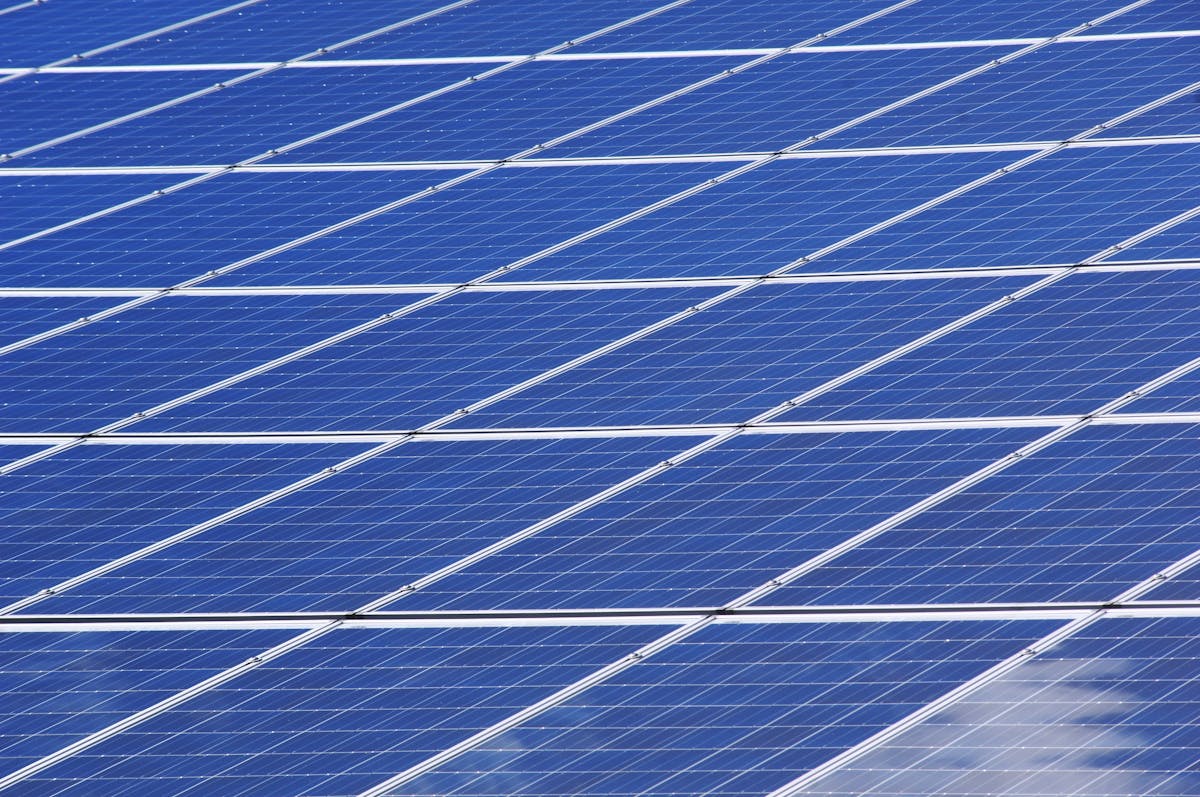
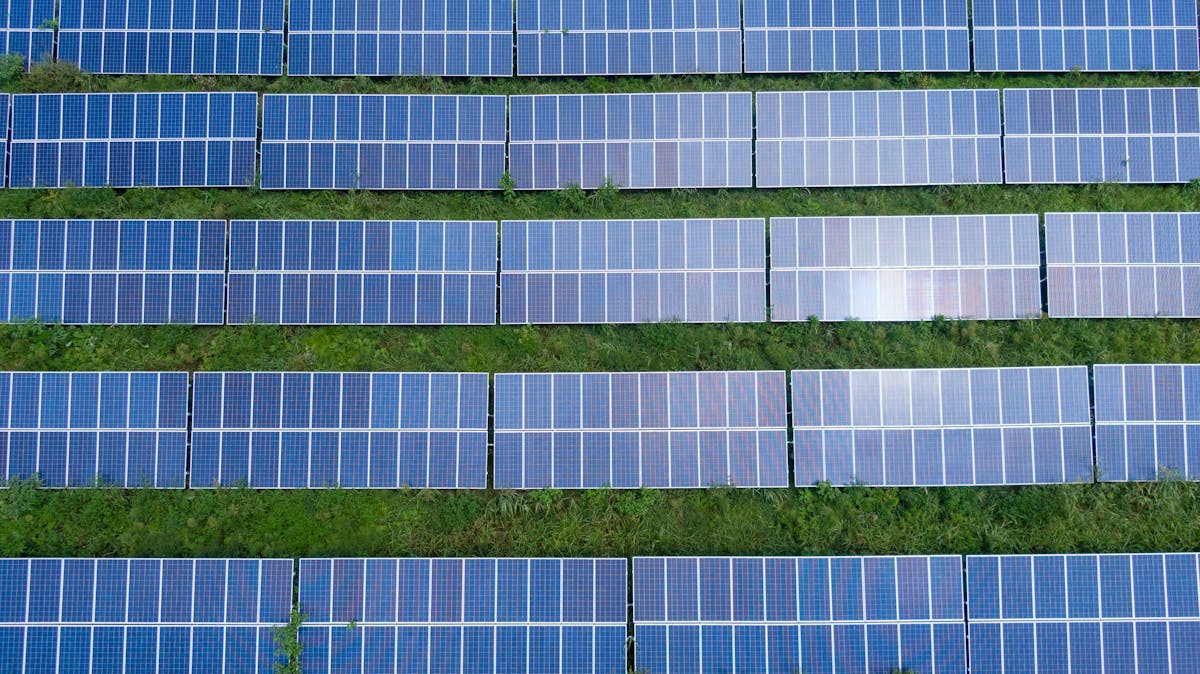
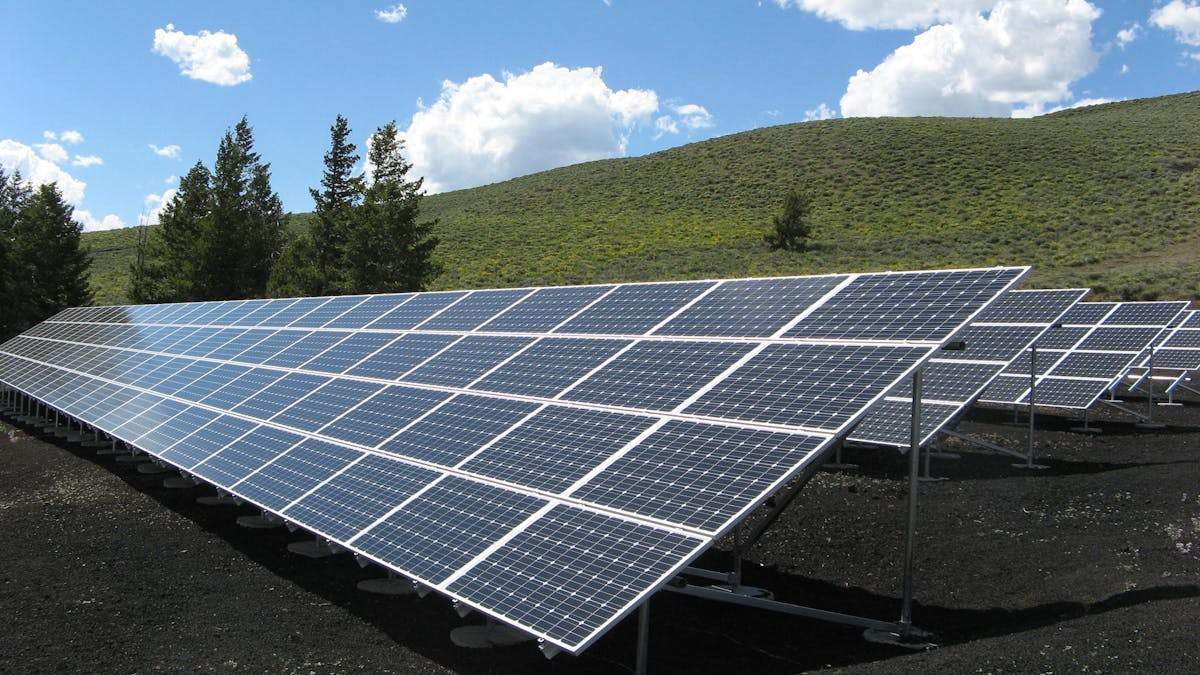
The panels themselves are the most visible component. Each panel contains dozens of photovoltaic cells wired together. Residential panels typically produce 350–450 watts each, and a complete home system usually includes 15–30 panels depending on your energy needs.
Panels are rated by their wattage output under standard test conditions (STC) — 1,000 watts of sunlight per square meter at 25°C. Real-world output varies based on your location, orientation, and weather.
Inverters
The inverter is the brain of your solar system. It converts the DC electricity from your panels into AC electricity your home can use. There are three main types:
String inverters connect all panels in a series (string) to a single inverter box. They’re reliable and affordable but have a weakness: if one panel is shaded or underperforming, it reduces the output of the entire string.
Microinverters are small inverters attached to each individual panel. They optimize each panel independently, making them ideal for roofs with partial shading or multiple orientations. They cost more but typically produce 5–25% more energy than string inverters in complex installations.
Power optimizers are a hybrid approach — individual optimizers on each panel feed into a central inverter. They offer panel-level optimization at a lower cost than microinverters.
Mounting and Racking
The racking system secures your panels to the roof or ground. For roof-mounted systems, rails are attached to the roof structure through waterproof flashings, and panels clip onto the rails.
Ground-mounted systems use posts driven into the ground or secured to concrete piers, with adjustable racking that can be tilted to the optimal angle.
Electrical Panel and Wiring
Your existing electrical panel (breaker box) receives the AC power from the inverter. A dedicated solar breaker is added to integrate the solar system. In some cases, a panel upgrade may be needed if your existing panel doesn’t have capacity.
Net Meter
A bidirectional net meter replaces your standard utility meter. It measures electricity flowing in both directions — from the grid to your home and from your solar system back to the grid. This enables net metering credits on your utility bill.
Battery Storage (Optional)
Home batteries like the Tesla Powerwall, Enphase IQ Battery, or LG RESU store excess solar energy for use at night or during power outages. While not required for a grid-tied system, batteries add energy independence and backup power capability.
Monitoring System
Most modern solar systems include monitoring software that tracks energy production in real time. You can view your system’s performance from a smartphone app, see how much energy you’re producing, consuming, and sending back to the grid.
Putting It All Together
Each component plays a vital role in your solar energy system. When evaluating quotes from installers, pay attention to the quality of every component — not just the panels. A system is only as strong as its weakest link, and investing in quality inverters, racking, and monitoring will pay off with decades of reliable performance.