
Solar energy has come further in the last decade than most experts predicted. From a niche technology to the cheapest form of new electricity generation on Earth, solar’s trajectory has been remarkable. But the really exciting part? The transformation is just getting started.
Where Solar Stands Today

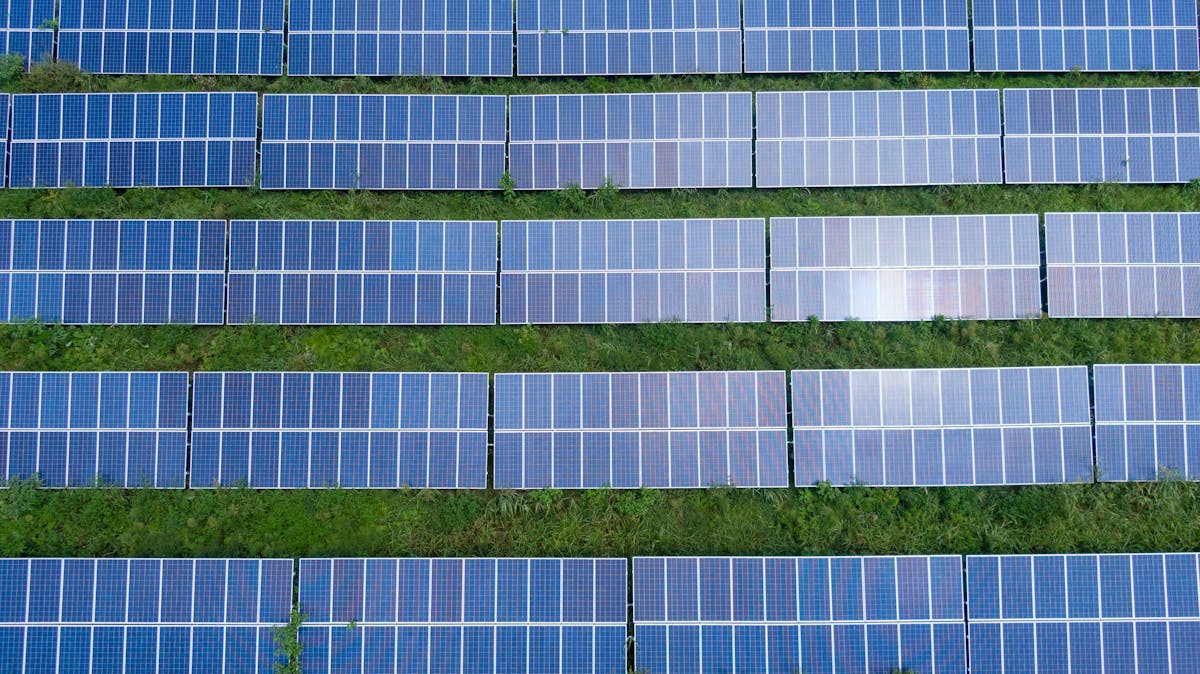
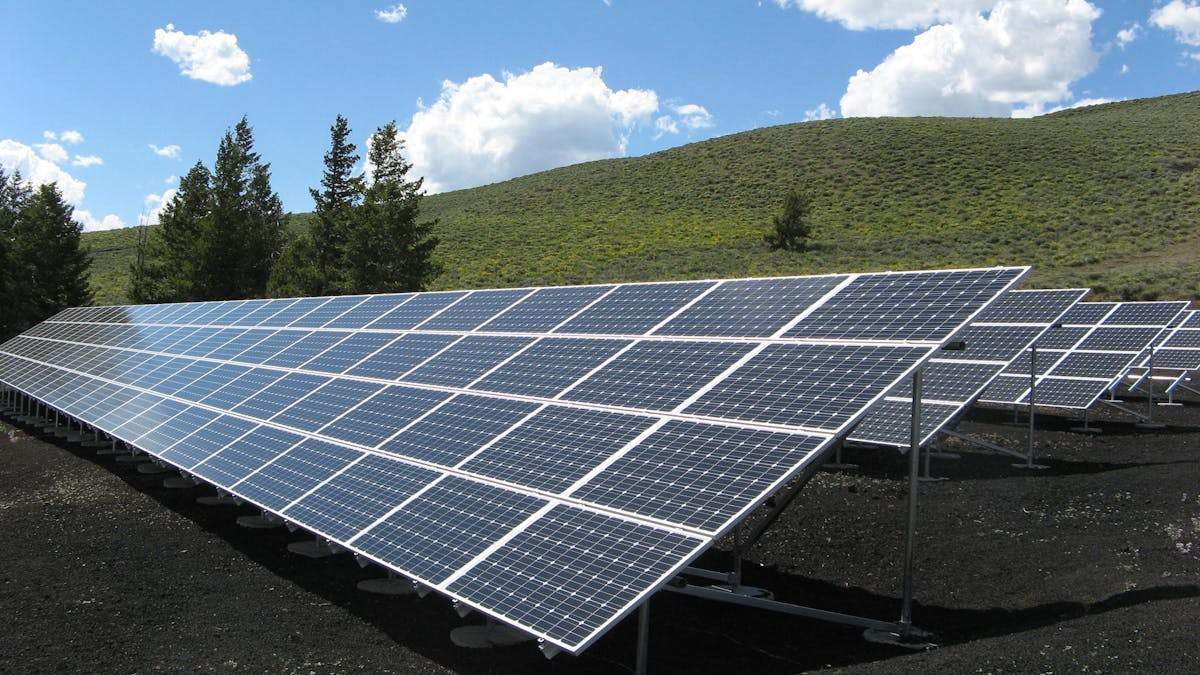
Global installed solar capacity exceeded 2 terawatts (TW) in 2025 — enough to power hundreds of millions of homes. Solar now generates over 6% of the world’s electricity, up from less than 1% just a decade ago. In some countries and regions, solar regularly supplies 20–40% of electricity on sunny days.
Efficiency Breakthroughs on the Horizon
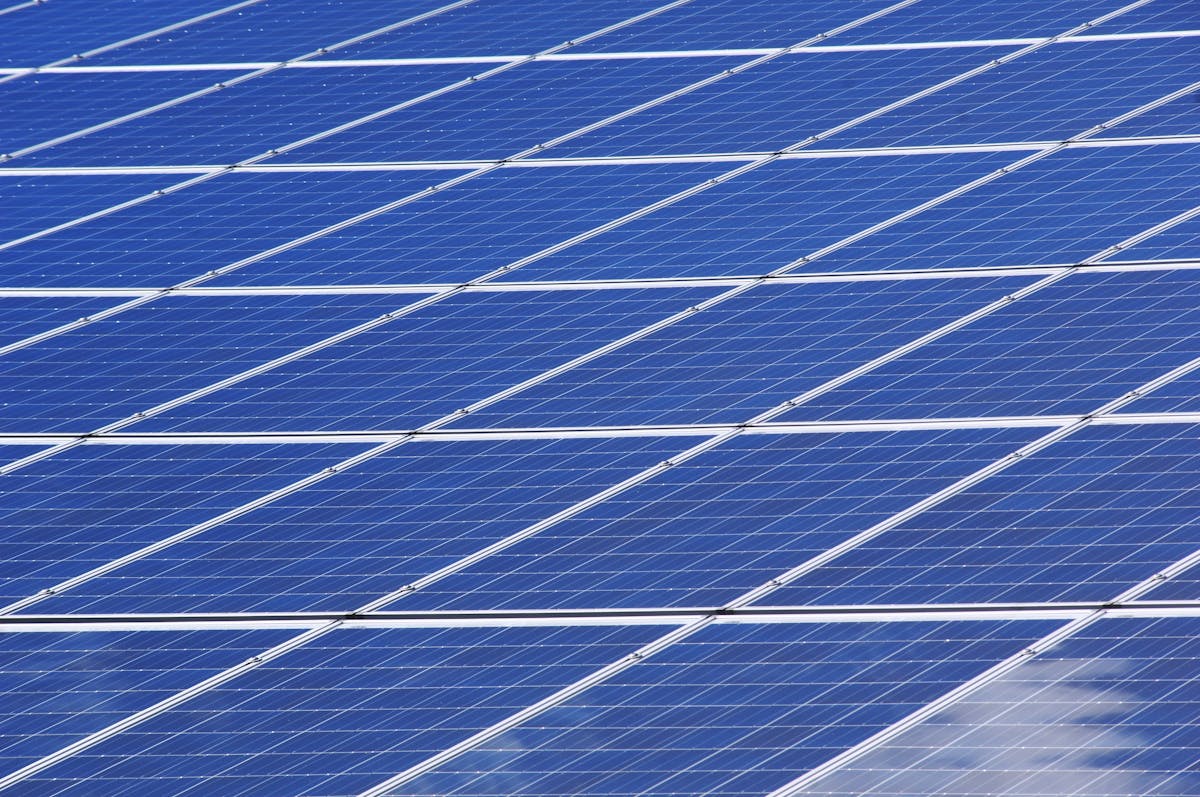
Perovskite-silicon tandem cells are poised to push commercial panel efficiency above 30% within this decade, compared to today’s 22–25%. This means the same number of panels will produce significantly more power.
Multi-junction cells that stack multiple semiconductor layers could eventually achieve 40%+ efficiency for specialized applications.
Quantum dot solar cells and other next-generation technologies are being explored in research labs, with the potential for breakthroughs that could further reshape the economics of solar.
Solar Everywhere
The future of solar isn’t just about rooftops and farms. Solar is expanding into virtually every surface. Solar windows will turn skyscrapers into power plants. Solar roads and pavements are being tested in several countries. Vehicle-integrated solar will extend the range of electric cars. Wearable solar in clothing and accessories will charge personal devices. Space-based solar — collecting energy in orbit and beaming it to Earth — is being seriously researched by multiple nations and companies.
The Storage Revolution
As battery costs continue to plummet and new storage technologies mature, the intermittency challenge will be increasingly solved. By 2035, solar-plus-storage is expected to be cheaper than operating existing fossil fuel plants in most markets. Long-duration storage technologies (iron-air batteries, green hydrogen, compressed air) will enable solar to provide reliable power across days and even weeks of low-sun weather.
Solar and the Global South
Perhaps solar’s greatest impact will be in developing nations where hundreds of millions of people still lack reliable electricity. Solar’s modular, distributed nature makes it ideal for bringing power to remote communities without building expensive grid infrastructure. Pay-as-you-go solar home systems are already transforming energy access across Africa and South Asia.
The Terawatt Challenge
To meet global climate goals, the world needs to reach 15–20 TW of installed solar capacity by 2050 — roughly 10x today’s level. This requires manufacturing billions of panels, training millions of workers, deploying massive storage capacity, and modernizing electrical grids worldwide.
It’s an enormous challenge — but one the solar industry has repeatedly shown it can rise to. Every projection about solar’s growth has been exceeded. Every cost forecast has been beaten.
What This Means for You
The future of solar is bright, but you don’t have to wait for it. Today’s solar technology is proven, affordable, and delivers exceptional returns. Whether you install panels on your roof, subscribe to community solar, or simply follow the industry’s evolution, solar energy is reshaping our world — and the best is still ahead.