
Not everyone can put solar panels on their roof. Maybe you rent, your roof isn’t suitable, or you live in a condo. Community solar solves this problem by letting you subscribe to a share of a larger solar project and receive credits on your electric bill — no panels on your property required.
How Community Solar Works
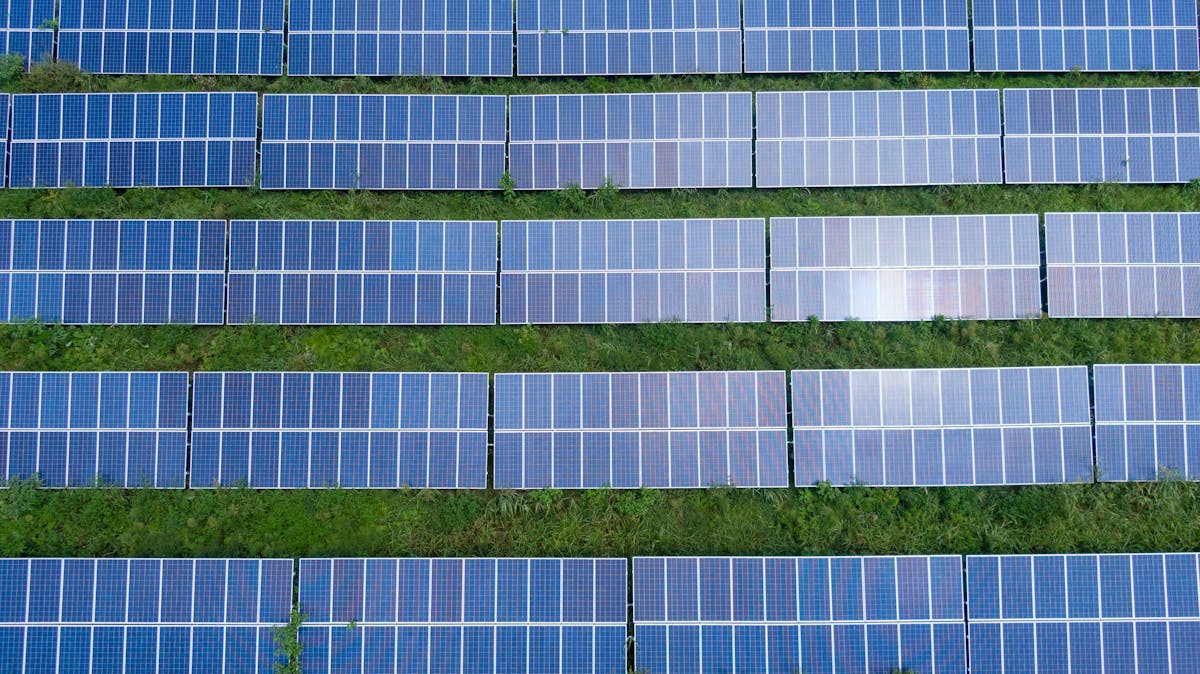
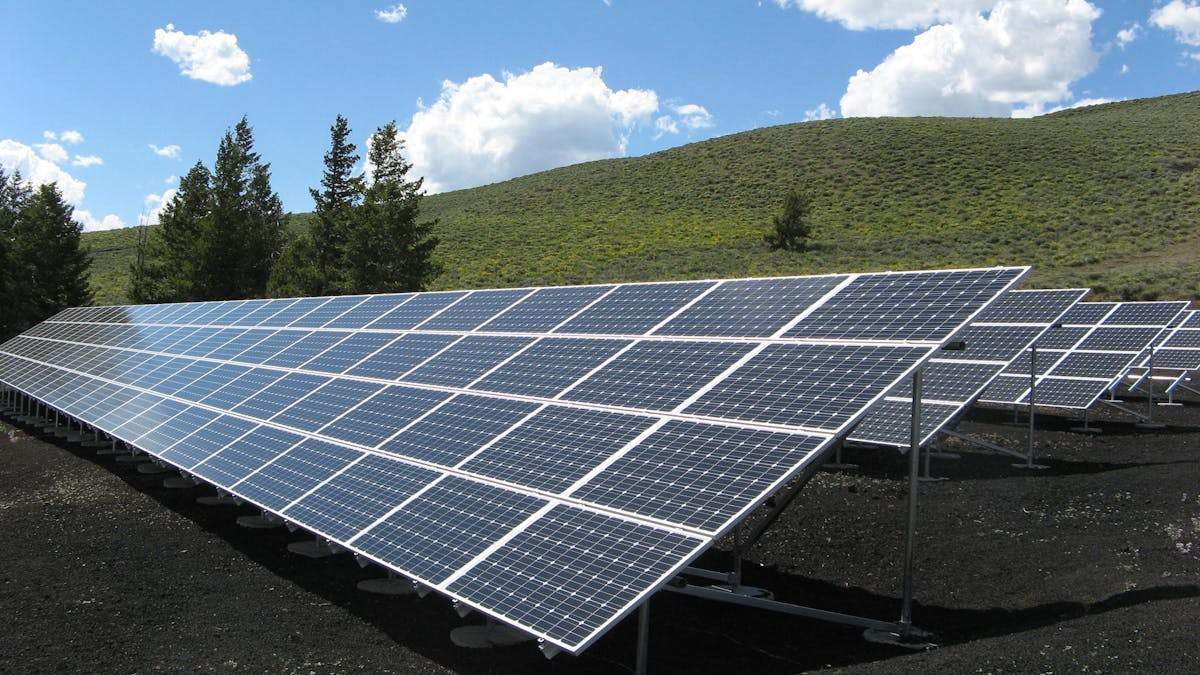
A community solar project (also called a solar garden or shared solar) is a medium-sized solar installation — typically 1–5 MW — that multiple subscribers share. Each subscriber owns or leases a portion of the project’s capacity. The electricity generated by their share is credited to their utility bill as if the panels were on their roof.
You don’t receive physical electricity from the solar farm. Instead, the solar farm feeds power into the local grid, and your utility applies credits to your bill for your share of the production.
Who Benefits from Community Solar?
Renters who can’t install rooftop solar. Homeowners with shaded, north-facing, or structurally unsuitable roofs. Condo and apartment dwellers who don’t own their roof. Budget-conscious consumers who want solar savings without any upfront investment. Anyone who wants clean energy without the commitment of a rooftop installation.
Types of Community Solar Subscriptions
Subscription model (most common): You sign up for a share of the project at no upfront cost. You pay a monthly fee for your subscription, which is less than the credits you receive on your electric bill. Net savings are typically 5–15% on your electricity costs.
Ownership model: You purchase a share of the solar project. Higher upfront cost but greater long-term savings, similar to buying rooftop solar. Less common than subscriptions.
Typical Savings
Most community solar programs guarantee a discount of 5–15% compared to your standard utility rate. On a $150/month electric bill, that’s $7.50–$22.50 in monthly savings. Not as dramatic as rooftop solar savings, but achieved with zero upfront cost, zero installation, and zero maintenance.
How to Find Community Solar in Your Area
Community solar is available in over 40 states, with the strongest programs in New York, Massachusetts, Minnesota, Illinois, Maryland, New Jersey, and Colorado. To find projects near you, search on platforms like EnergySage Community Solar, Arcadia, Perch Energy, or your local utility’s website.
What to Look For
Savings guarantee: Look for a clear, guaranteed discount percentage. Avoid programs with vague savings claims.
Contract terms: Understand the contract length (typically 12–25 years), cancellation policy, and whether the subscription is transferable if you move.
No upfront cost: Most subscription-based programs require no upfront payment. Be cautious of programs asking for large upfront fees.
Reputable provider: Research the company operating the project. Check reviews and verify they have a track record of delivering promised savings.
The Growth of Community Solar
Community solar capacity in the U.S. has grown from virtually nothing in 2015 to over 7 GW by 2025, serving millions of subscribers. It’s the fastest-growing segment of the residential solar market and is making solar accessible to populations that have traditionally been left out of the rooftop solar revolution.