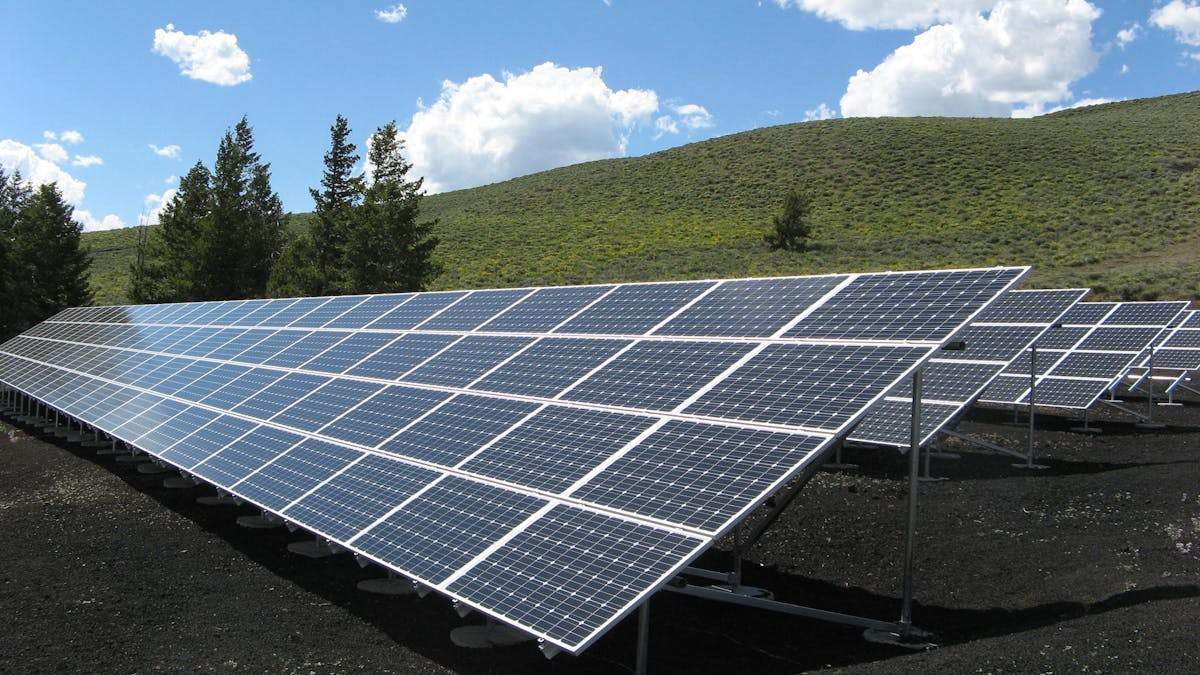

What if farmland could simultaneously grow crops and generate electricity? That’s the promise of agrivoltaics — the practice of co-locating solar panels and agriculture on the same land. Far from being competitors for space, solar and farming can be surprisingly complementary.
What Is Agrivoltaics?
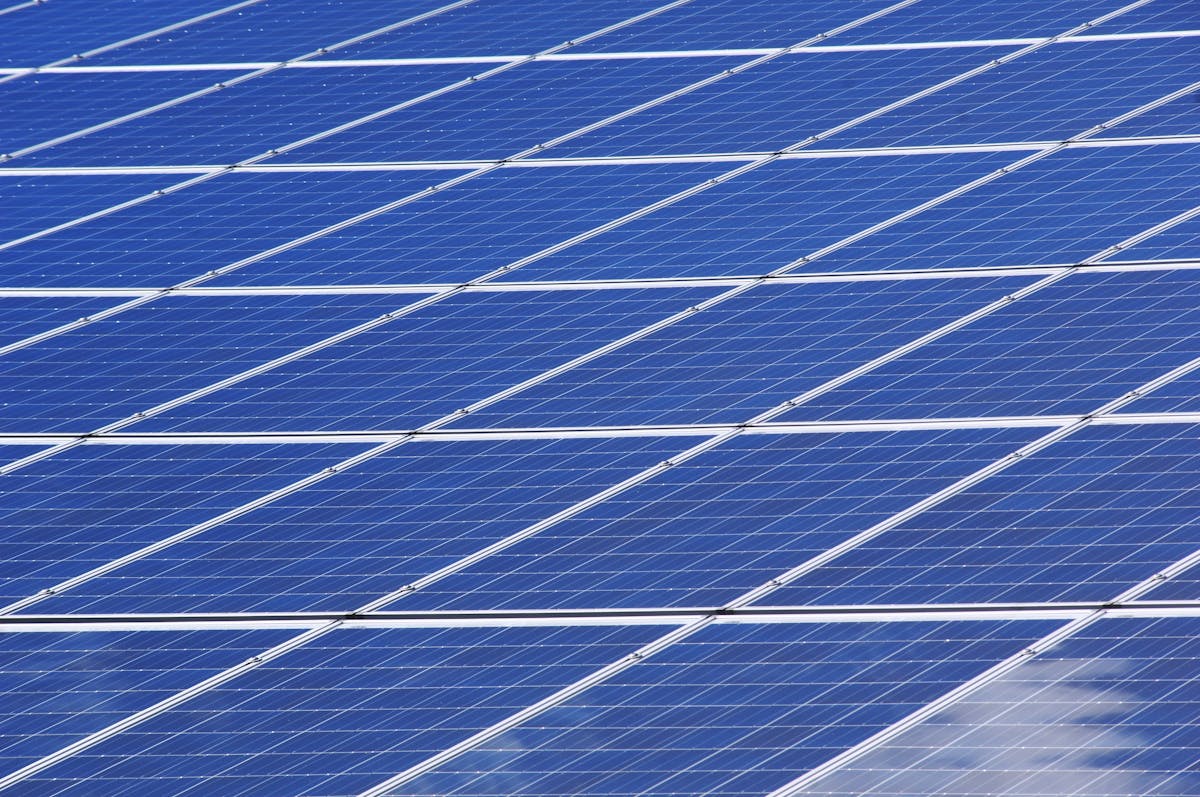
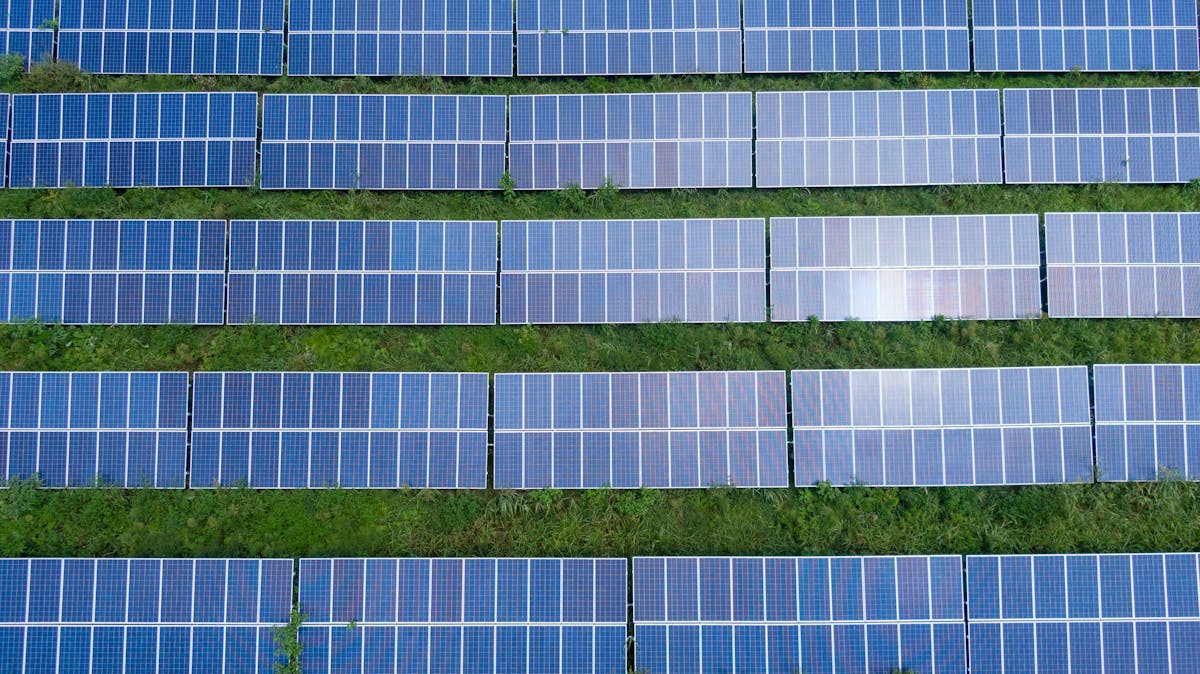
Agrivoltaics (also called agrisolar or dual-use solar) installs solar panels above or alongside crops, allowing agricultural production to continue beneath or between the panels. The concept addresses one of solar energy’s biggest criticisms: competition for land with food production.
How Agrivoltaics Benefits Farming
Shade reduces heat stress: Many crops actually benefit from partial shade, especially in hot climates. The shade from solar panels can reduce soil temperature and evaporation, leading to lower water requirements. Studies have shown 15–30% water savings for crops grown under solar panels.
Protected growing conditions: Panels shield crops from extreme weather events like hail, heavy rain, and frost. This protection can reduce crop losses and extend growing seasons.
Increased crop yields for shade-tolerant species: Research from the University of Arizona found that tomatoes, peppers, and leafy greens produced comparable or even higher yields under solar panels compared to open-field cultivation, while using significantly less water.
Pollinator habitat: The areas between and beneath solar panels can be planted with wildflowers and pollinator-friendly species, supporting bee populations that benefit nearby agricultural operations.
How Agrivoltaics Benefits Solar
The benefits flow both ways. Crops and vegetation beneath panels cool the microclimate, reducing panel operating temperatures and slightly improving solar efficiency. The vegetation also reduces dust kicked up onto panels. And the lease payments from solar companies provide farmers with a stable, drought-proof income stream.
Types of Agrivoltaic Systems
Elevated panels: Panels mounted 8–15 feet high allow farm equipment to operate beneath them. This is the most flexible approach but has higher installation costs.
Row spacing: Standard ground-mounted panels with wider-than-normal spacing between rows, allowing crops to grow in the gaps. Simpler and cheaper but limits the types of farming possible.
Grazing integration: Solar farms paired with sheep or poultry grazing. Sheep keep vegetation trimmed beneath panels (reducing fire risk and maintenance costs), while the panels provide shade for animals. This is already widely practiced — over 30% of large U.S. solar farms now incorporate some form of grazing.
Global Agrivoltaics Growth
Japan pioneered agrivoltaics in 2004, and the practice has spread globally. France, Germany, China, India, and the United States all have significant agrivoltaic projects. The global agrivoltaics market is projected to exceed $10 billion by 2030.
The Future of Farm-Solar Integration
As both food production pressures and clean energy demands increase, agrivoltaics offers a compelling “both/and” solution. Policy support is growing, with the USDA and DOE both investing in agrivoltaic research. For farmers, the dual income from crops and solar lease payments provides financial resilience in an increasingly unpredictable agricultural economy.