
As the world transitions away from fossil fuels, several renewable energy sources are competing for attention and investment. Solar, wind, hydro, and geothermal each have their strengths. How does solar energy stack up against the alternatives?
Solar vs Wind Energy
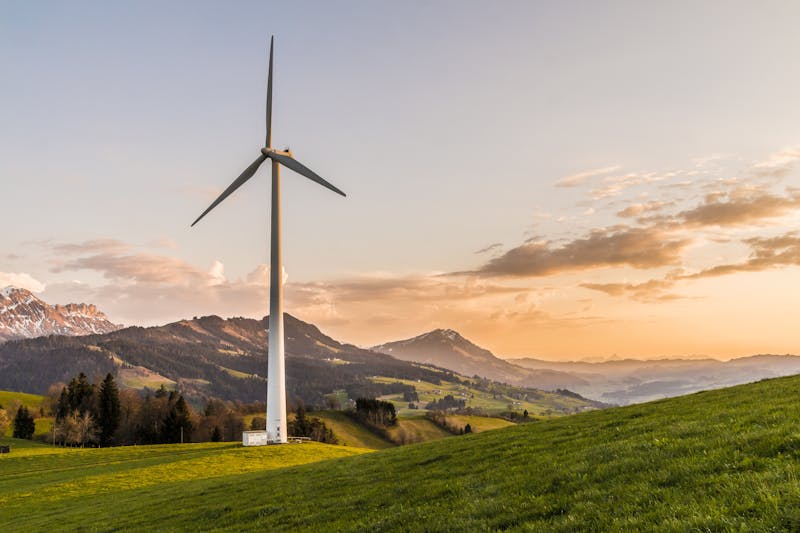
Solar and wind are the two fastest-growing renewable energy sources globally. Wind turbines are incredibly efficient for utility-scale power generation, with the best offshore wind farms achieving capacity factors of 50% or more.
However, solar has a major advantage for homeowners and businesses: scalability. You can install a solar system on virtually any rooftop, while wind turbines require specific conditions — consistent wind speeds, minimum height requirements, and often face zoning restrictions in residential areas.
Solar is also more predictable on a daily basis. You know the sun will rise tomorrow. Wind is more variable and harder to forecast.
Solar vs Hydroelectric
Hydroelectric power is the world’s largest source of renewable electricity, accounting for about 16% of global generation. It’s incredibly reliable and can be dispatched on demand.
But hydro has significant limitations. It requires specific geography (rivers and elevation changes), involves massive infrastructure, and has serious environmental impacts on river ecosystems and fish migration.
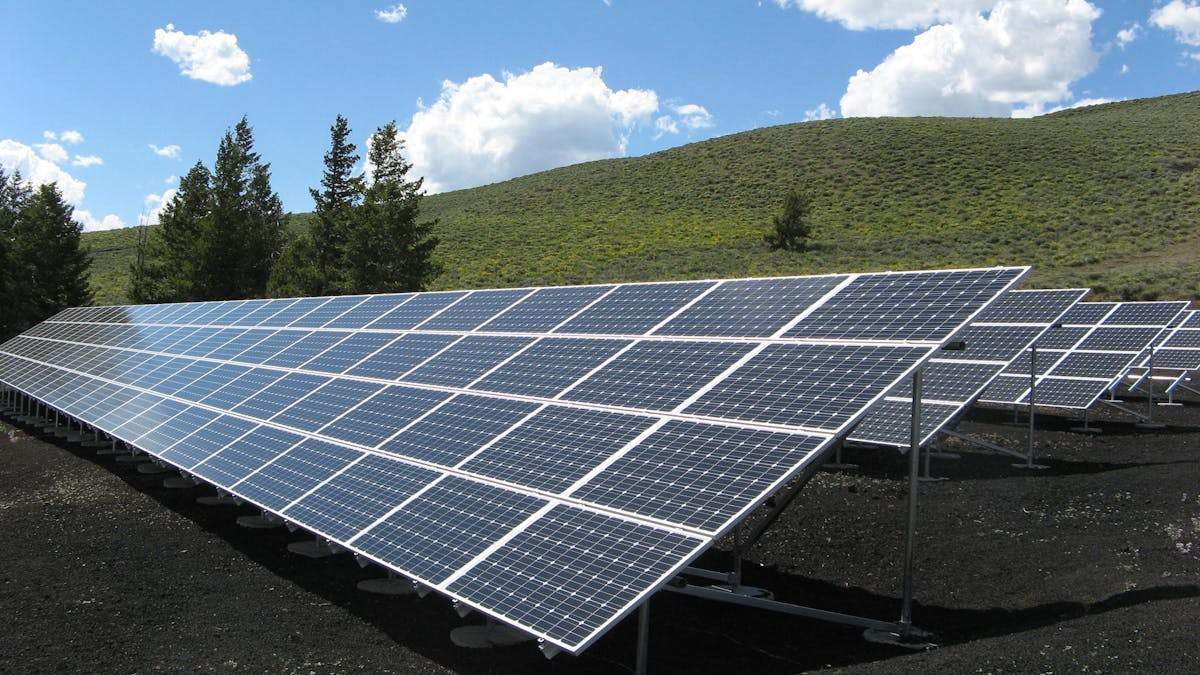
Solar can be installed virtually anywhere and scales from a single panel to utility-size farms without the environmental disruption of damming rivers.
Solar vs Geothermal
Geothermal energy taps heat from the Earth’s interior to generate electricity. It’s extremely reliable — producing power 24/7 regardless of weather — and has a tiny land footprint.
The catch is that geothermal is geographically limited to areas with accessible underground heat, primarily along tectonic plate boundaries. It also requires significant upfront drilling costs.
Solar works everywhere the sun shines, making it far more accessible for the majority of the world’s population.
Solar vs Nuclear
Nuclear power provides reliable, carbon-free baseload electricity. A single nuclear plant can power millions of homes. However, nuclear comes with concerns about waste disposal, safety risks, and extremely high construction costs and timelines.
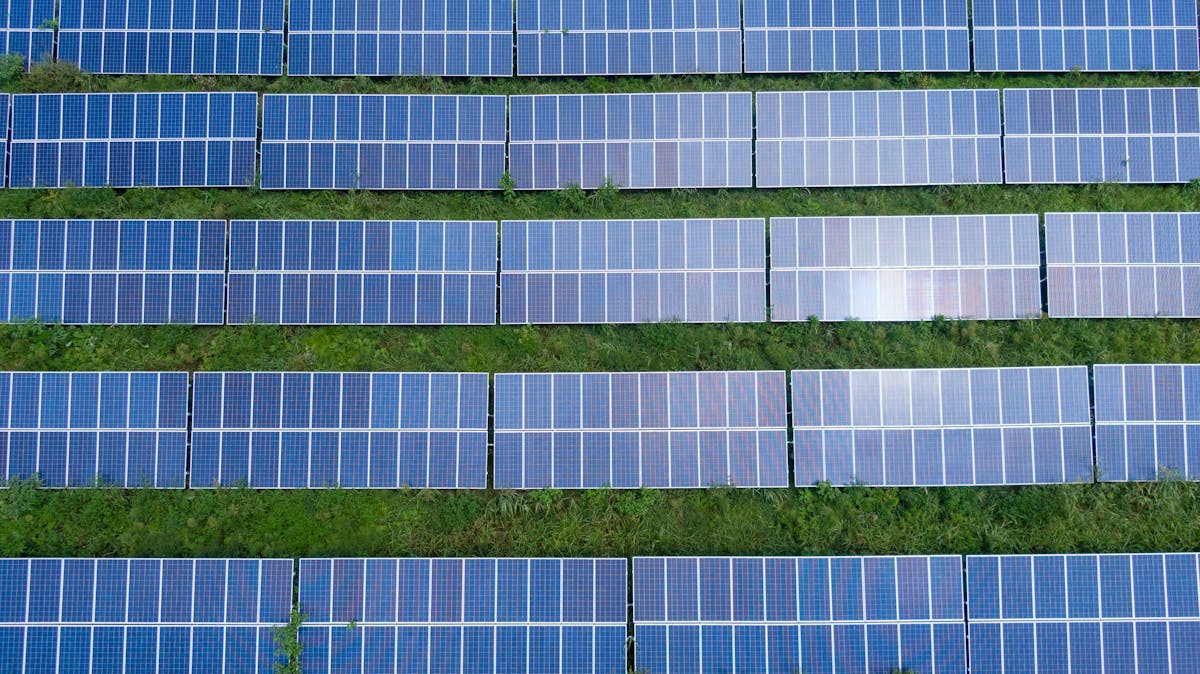
Solar has become dramatically cheaper than new nuclear construction. A new nuclear plant takes 10–15 years to build, while a solar farm can be operational in months.
Why Solar Is Winning
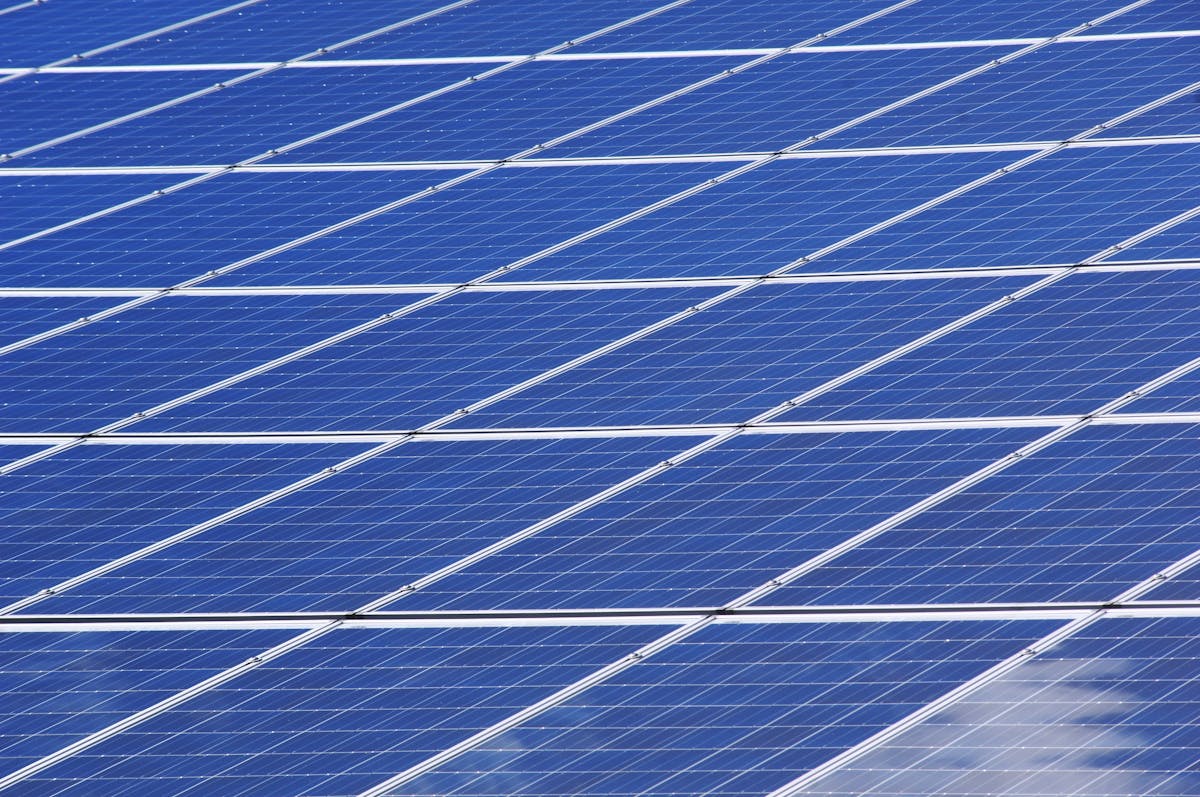
Solar’s greatest strength is its versatility and accessibility. It works at every scale — from a portable panel charging a phone to a gigawatt solar farm powering a city. The cost has dropped over 90% since 2010, making it the cheapest source of new electricity generation in most of the world.
No single renewable source will power our future alone. The ideal energy mix includes solar, wind, storage, and other clean sources working together. But for individual homeowners and businesses looking to take control of their energy, solar offers the most practical and affordable path forward.