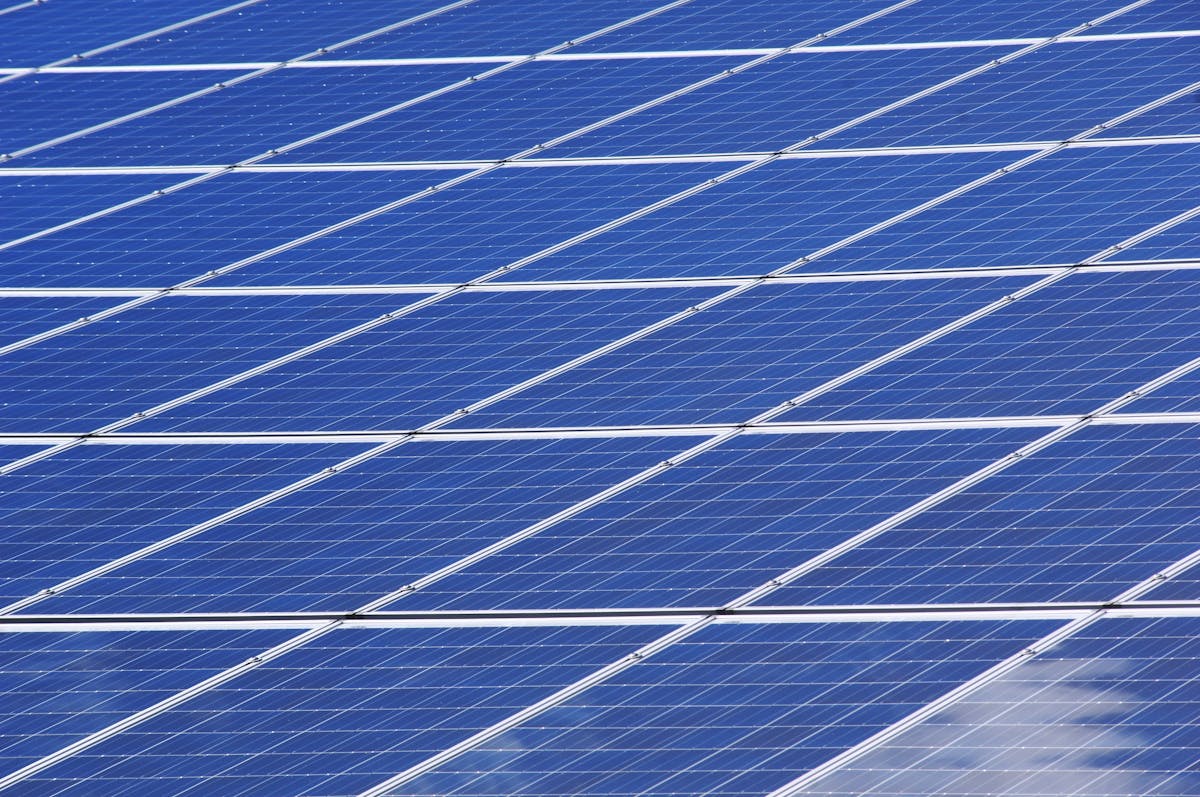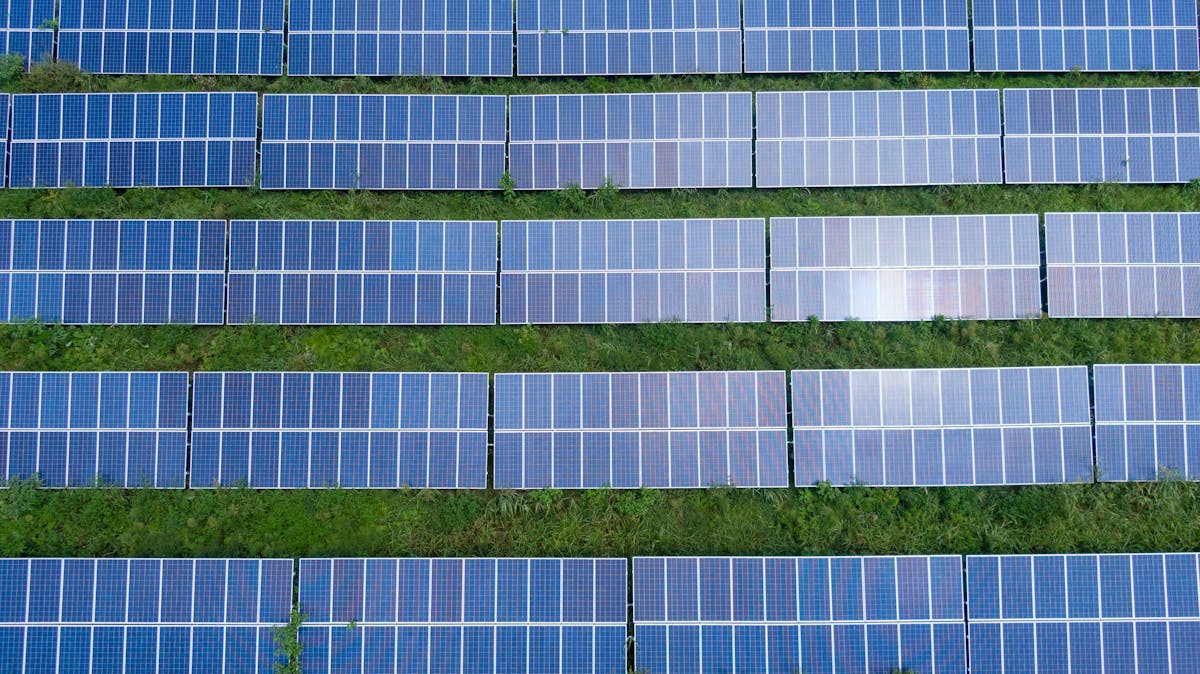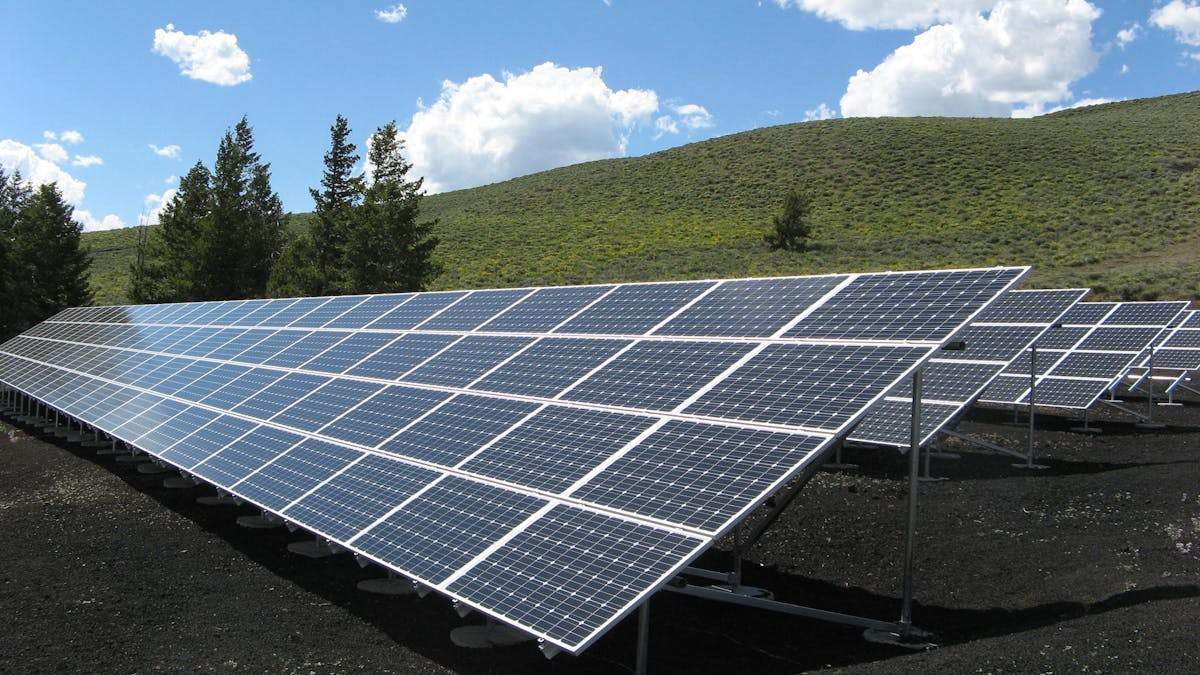

Ever wonder what goes into making those sleek panels that sit on rooftops generating clean electricity? The manufacturing process for solar panels is a fascinating journey from raw sand to high-tech power generators.
Step 1: Purifying Silicon

It all starts with silicon, the second most abundant element in the Earth’s crust. Quartz sand (silicon dioxide) is heated in an arc furnace at over 2,000°C to produce metallurgical-grade silicon. This is then further refined to produce solar-grade silicon with 99.9999% purity — often called “six nines” pure.
Step 2: Growing Silicon Crystals
For monocrystalline panels, the purified silicon is melted and a small seed crystal is slowly pulled from the molten silicon, growing into a large cylindrical ingot. This process, called the Czochralski method, produces a single continuous crystal structure that gives monocrystalline cells their superior efficiency.
For polycrystalline panels, molten silicon is simply poured into a square mold and allowed to cool, forming multiple crystal structures.
Step 3: Slicing Wafers
The silicon ingots are sliced into ultra-thin wafers using diamond wire saws. Each wafer is about 150–200 micrometers thick — roughly twice the thickness of a human hair. This step produces significant silicon waste (kerf loss), though manufacturers are constantly improving to reduce waste.
Step 4: Creating Solar Cells
The wafers undergo several treatments to become functional solar cells. They’re etched to create a textured surface that captures more light, then treated with phosphorus to create the negative layer and boron for the positive layer. This creates the electric field needed for the photovoltaic effect.
Anti-reflective coating is applied to minimize light reflection, and metal contacts (usually silver) are printed onto the surface to collect the generated electricity.
Step 5: Assembling the Panel
Individual cells (typically 60 or 72 for residential panels) are soldered together in series using copper ribbons. The connected cells are sandwiched between a tempered glass front layer and a protective backsheet, with EVA (ethylene vinyl acetate) encapsulant bonding everything together.
The assembly is laminated in a vacuum at high temperature, sealing out moisture and ensuring durability for decades of outdoor exposure. An aluminum frame is attached for structural support and mounting.
Step 6: Testing and Quality Control
Every panel undergoes flash testing — exposure to a precisely calibrated light source that simulates sunlight. This determines the panel’s actual wattage rating and ensures it meets specifications. Panels are also tested for insulation resistance, wet leakage, and mechanical loading.
The Environmental Footprint
Manufacturing solar panels does require energy and materials, but the environmental payback is swift. A solar panel generates enough clean energy to offset its manufacturing footprint within 1–3 years, then produces emission-free electricity for another 25+ years.
The industry is also moving toward more sustainable practices — reducing silver usage, recycling silicon waste, and developing lead-free soldering techniques.
Where Are Solar Panels Made?
China dominates global solar panel manufacturing, producing about 80% of the world’s panels. However, manufacturing is expanding in the United States, India, and Southeast Asia, driven by government incentives and supply chain diversification goals.