
Solar panels have transformed the way we think about energy. Once a futuristic concept, they are now a common sight on rooftops, in fields, and even integrated into building materials. But how exactly do these sleek, dark panels convert sunlight into usable electricity?
Understanding the science behind solar panels doesn’t require a physics degree. At its core, the process relies on a phenomenon called the photovoltaic effect, discovered way back in 1839 by French physicist Edmond Becquerel.
The Photovoltaic Effect Explained
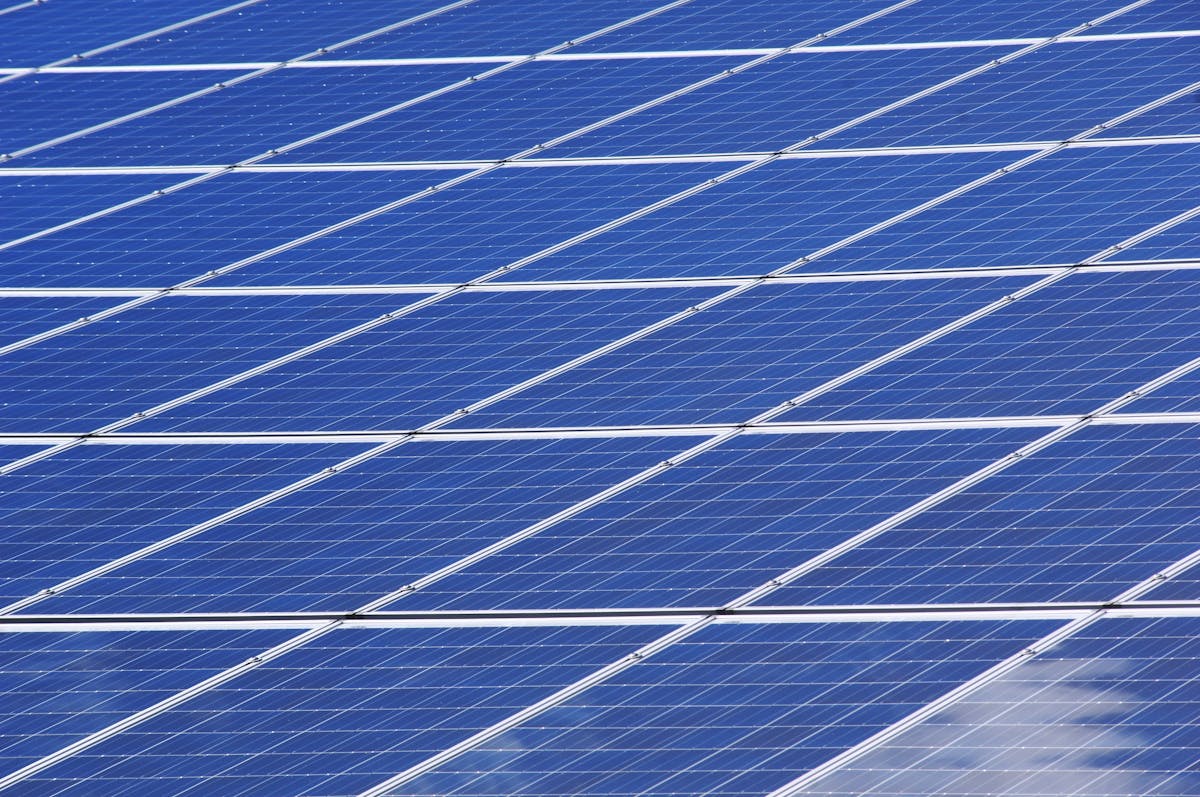
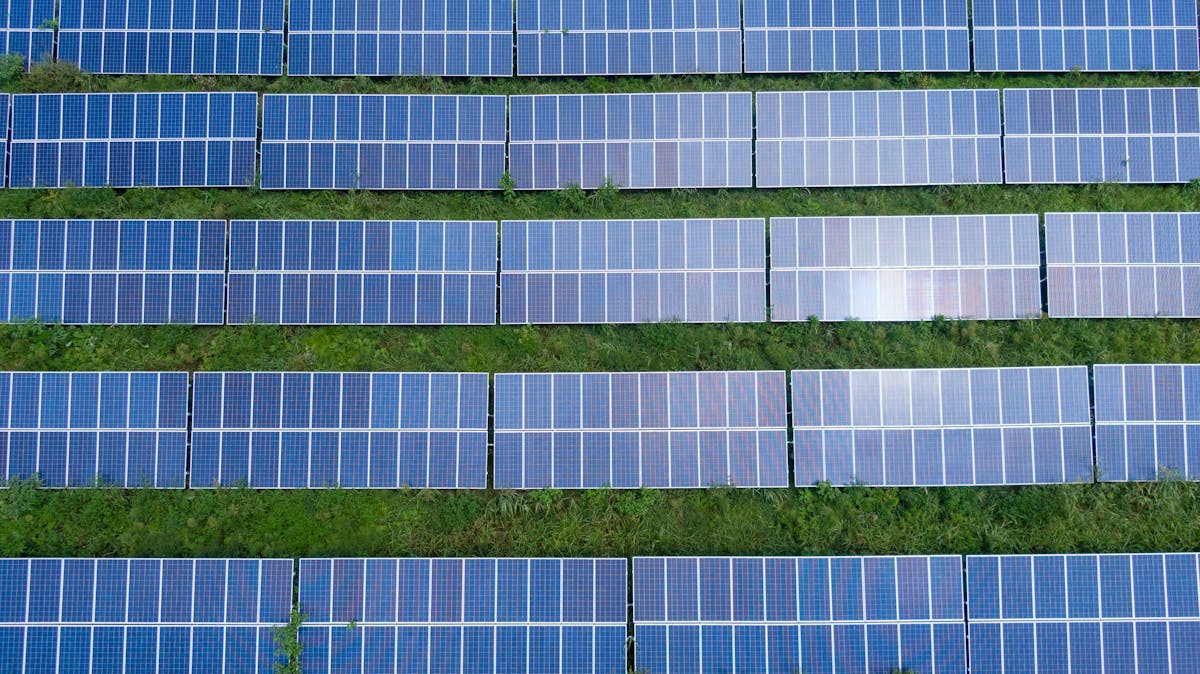
Solar panels are made up of many smaller units called photovoltaic (PV) cells. Each cell is essentially a sandwich of two slices of semiconducting material, usually silicon.
When photons from sunlight hit the silicon cell, they knock electrons loose from their atoms. The cell is designed with a positive layer and a negative layer, which together create an electric field. When electrons are knocked free, this electric field pushes them in a specific direction — creating a flow of electricity.
Metal conductive plates on the sides of each cell collect this electricity and transfer it to wires, allowing the current to flow to wherever it’s needed.
From Sunlight to Your Home
The electricity generated by solar panels is direct current (DC). However, most homes and businesses use alternating current (AC). That’s where an inverter comes in — it converts the DC electricity into AC so it can power your appliances, lights, and devices.
From the inverter, the electricity flows into your home’s electrical panel (breaker box), where it’s distributed throughout your house just like utility power would be.
Key Components of a Solar Panel System
Solar Cells: The individual PV cells that convert light to electricity. Most residential panels contain 60 or 72 cells.
Inverter: Converts DC to AC power. String inverters handle the whole system, while microinverters work on individual panels.
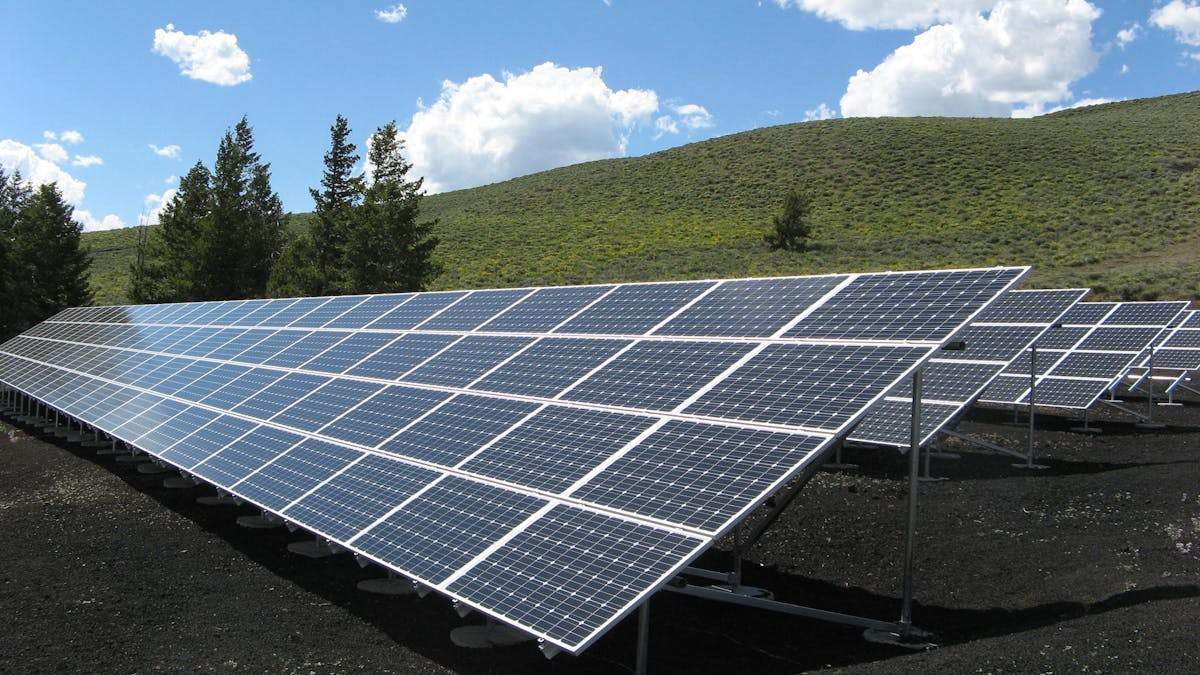
Mounting System: Racks and hardware that secure panels to your roof or the ground at the optimal angle.
Net Meter: Measures electricity flowing both to and from the grid, allowing you to get credit for excess power you produce.
Types of Solar Cells
Monocrystalline cells are cut from a single crystal of silicon. They’re the most efficient (20–25%) and have a distinctive black appearance. They cost more but produce more power per square foot.
Polycrystalline cells are made from multiple silicon fragments melted together. They’re slightly less efficient (15–20%) but more affordable. You can recognize them by their blue, speckled look.
Thin-film cells use a thin layer of photovoltaic material deposited on glass, plastic, or metal. They’re the least efficient but the most flexible and lightweight.
How Much Energy Can Solar Panels Produce?
A typical residential solar panel produces between 250 and 400 watts of power under ideal conditions. A standard home system of 20–25 panels can generate 5,000 to 10,000 watts (5–10 kW), which is enough to cover most household electricity needs.
Of course, actual output depends on factors like your location, roof orientation, shading, and weather. Panels work best in direct sunlight but still produce electricity on cloudy days — just at a reduced rate.
The Bottom Line
Solar panels work by harnessing a natural physical process to convert sunlight into clean, renewable electricity. The technology is proven, increasingly affordable, and continues to improve in efficiency every year. Whether you’re considering solar for your home or just curious about how it all works, understanding these basics is a great first step toward a cleaner energy future.