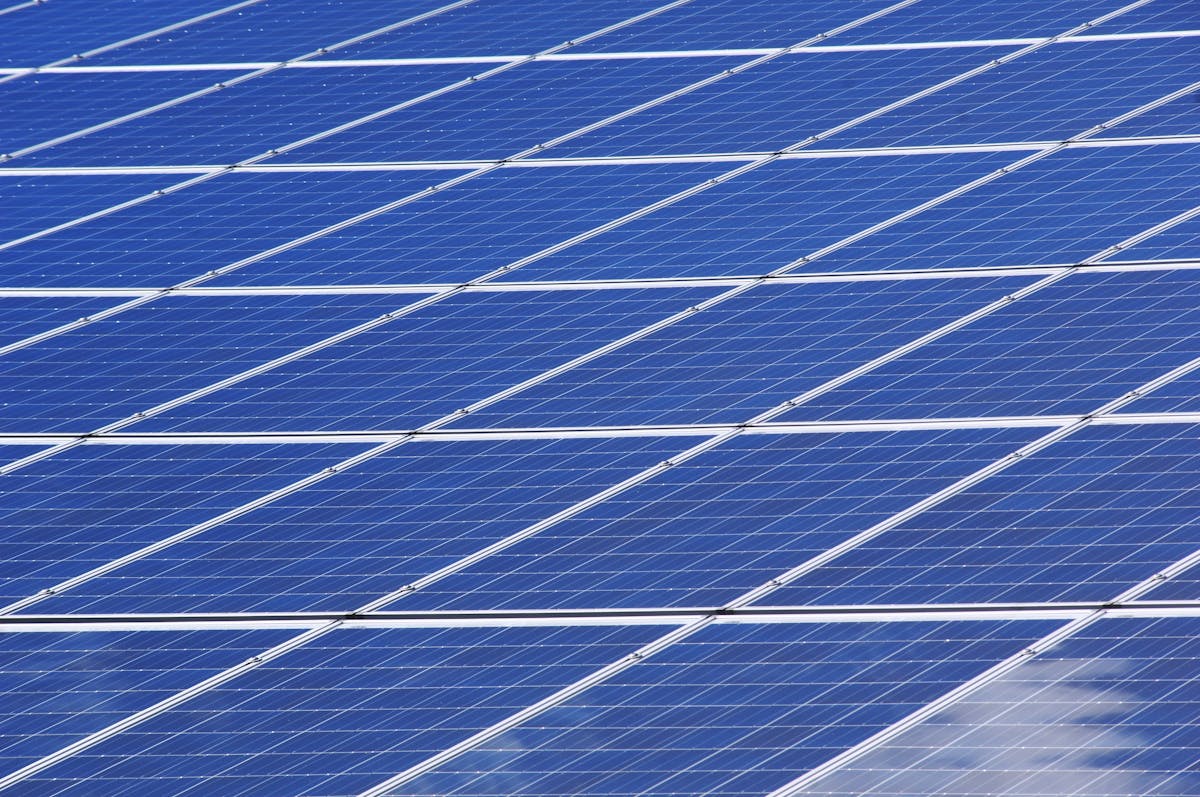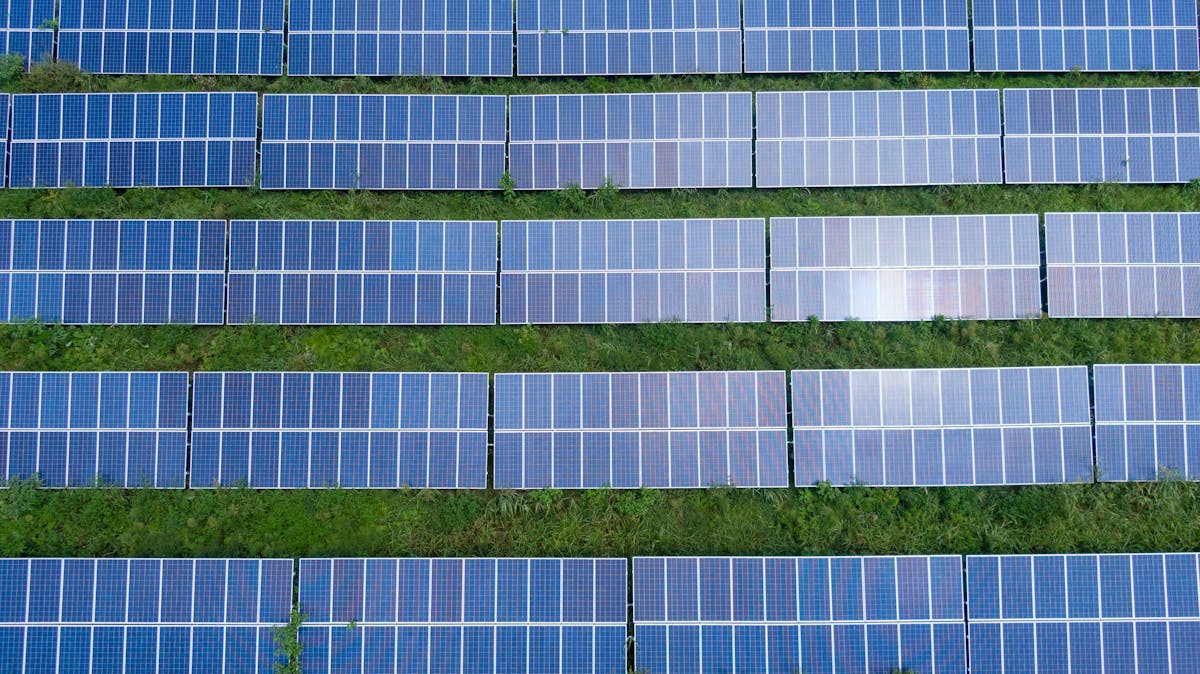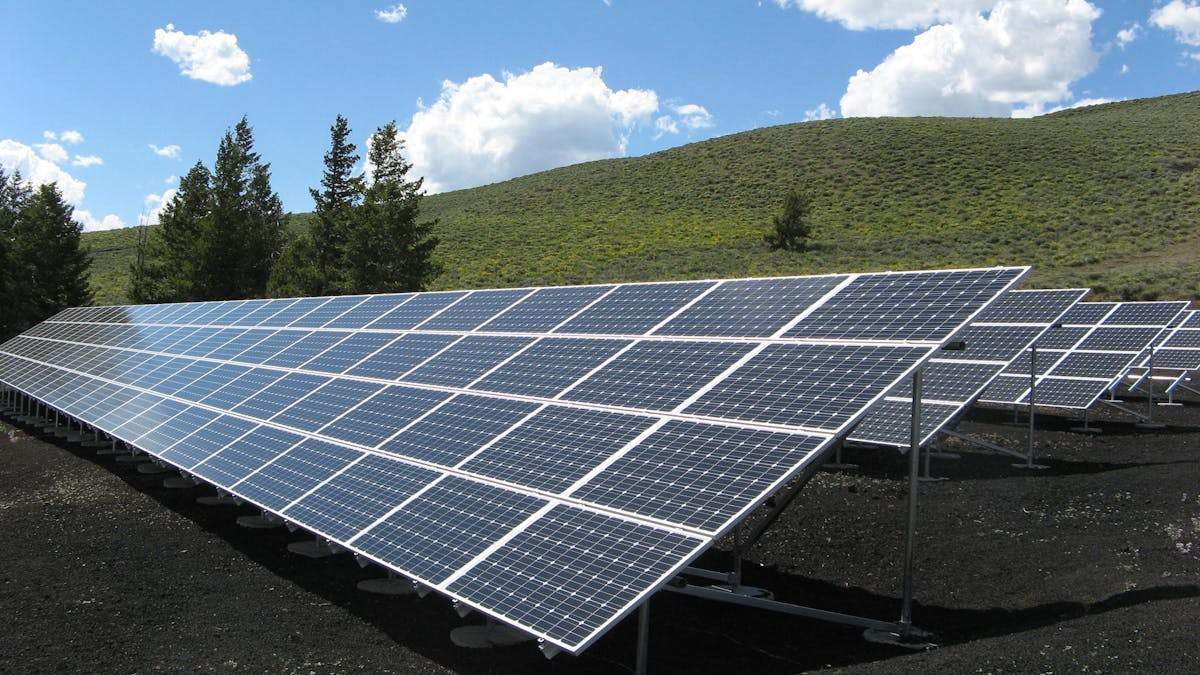

Solar farms are the powerhouses of the clean energy revolution — massive arrays of panels generating electricity at utility scale. From sprawling desert installations to community-sized projects, solar farms are reshaping how the world generates power.
What Is a Solar Farm?

A solar farm (also called a solar park or solar power plant) is a large-scale photovoltaic installation designed to generate electricity for the grid. Unlike rooftop solar that serves a single home, solar farms feed power directly into the electrical grid, serving thousands or even millions of customers.
Solar farms range from small community installations (1–5 MW) to massive utility-scale projects exceeding 1 GW. The world’s largest solar installations span thousands of acres and generate enough electricity to power entire cities.
How Solar Farms Work
The basic technology is the same as rooftop solar — photovoltaic panels convert sunlight to electricity. The scale is just vastly larger. A utility-scale solar farm typically uses hundreds of thousands to millions of individual panels, mounted on ground-mounted tracking systems that follow the sun, connected to central inverters that convert DC to AC, feeding into a substation that steps up voltage for grid transmission.
Types of Solar Farms
Fixed-tilt ground mount: Panels mounted at a fixed angle on metal racking. Lower cost and simpler maintenance, but produces less energy than tracking systems.
Single-axis tracking: Panels rotate east-to-west throughout the day, following the sun’s path. This produces 25–35% more energy than fixed-tilt and has become the standard for new utility-scale projects.
Concentrated Solar Power (CSP): Uses mirrors to concentrate sunlight onto a receiver, generating heat that drives a steam turbine. CSP can include thermal storage for generating electricity after sunset. Less common than PV but has unique advantages for dispatchable power.
The Economics of Solar Farms
Utility-scale solar is now the cheapest source of new electricity generation in most of the world. The levelized cost of energy (LCOE) for utility solar has dropped below $30/MWh in sunny locations — cheaper than new natural gas, coal, or nuclear plants.
Solar farms generate revenue through Power Purchase Agreements (PPAs) with utilities, merchant sales on wholesale electricity markets, and Renewable Energy Certificates (RECs).
Environmental Considerations
While solar farms produce clean energy, they require significant land area — typically 5–7 acres per MW. This has raised concerns about habitat loss and agricultural land conversion. The industry is addressing this through agrivoltaics (combining farming and solar), prioritizing degraded or non-agricultural land, floating solar on reservoirs, and robust environmental impact assessments.
Can You Invest in a Solar Farm?
Individual investors can participate in solar farm economics through community solar subscriptions, solar REITs and ETFs, direct investment in solar project companies, or crowdfunding platforms focused on renewable energy projects. Community solar, in particular, lets individuals benefit from solar farm economics without installing anything on their property.