
While most people think of electricity-generating photovoltaic panels when they hear “solar,” there’s another solar technology that’s been quietly saving homeowners money for decades: solar water heating. These systems use the sun’s thermal energy to heat water directly — and they can be surprisingly effective and affordable.
How Solar Water Heating Works

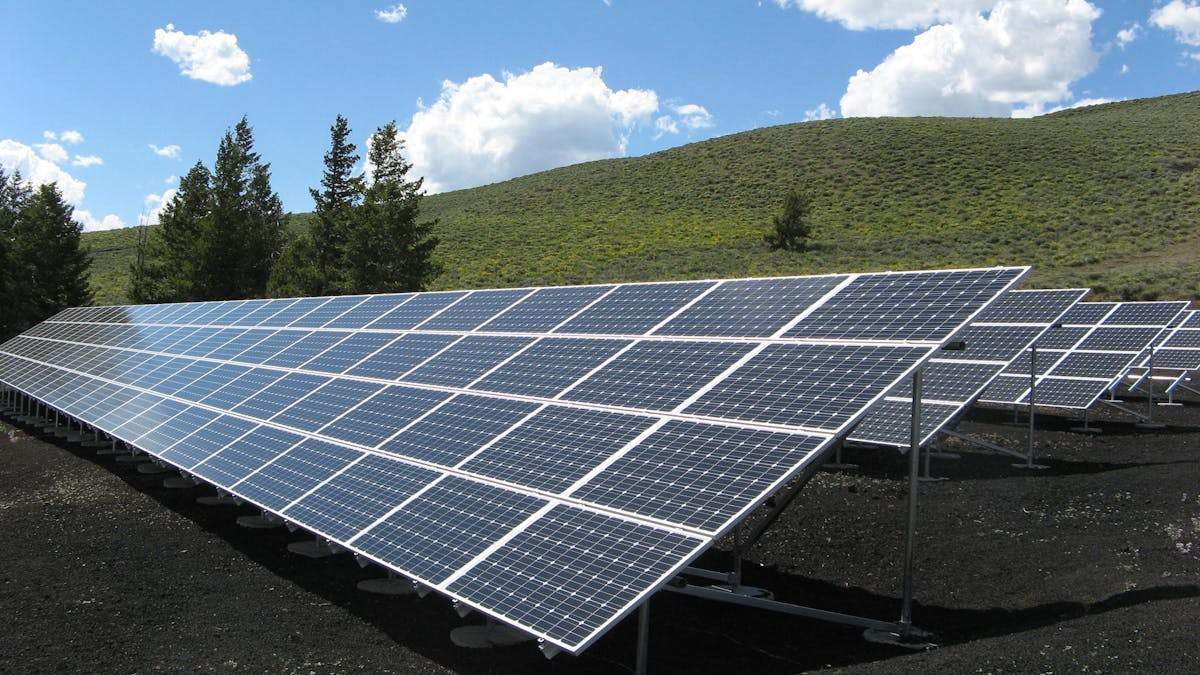
Solar water heaters use collectors on your roof to absorb the sun’s heat and transfer it to your home’s water supply. Unlike PV panels that convert light to electricity, solar thermal collectors directly capture heat — and they’re very efficient at it, converting 60–70% of the sun’s energy into usable heat.
Types of Solar Water Heating Systems
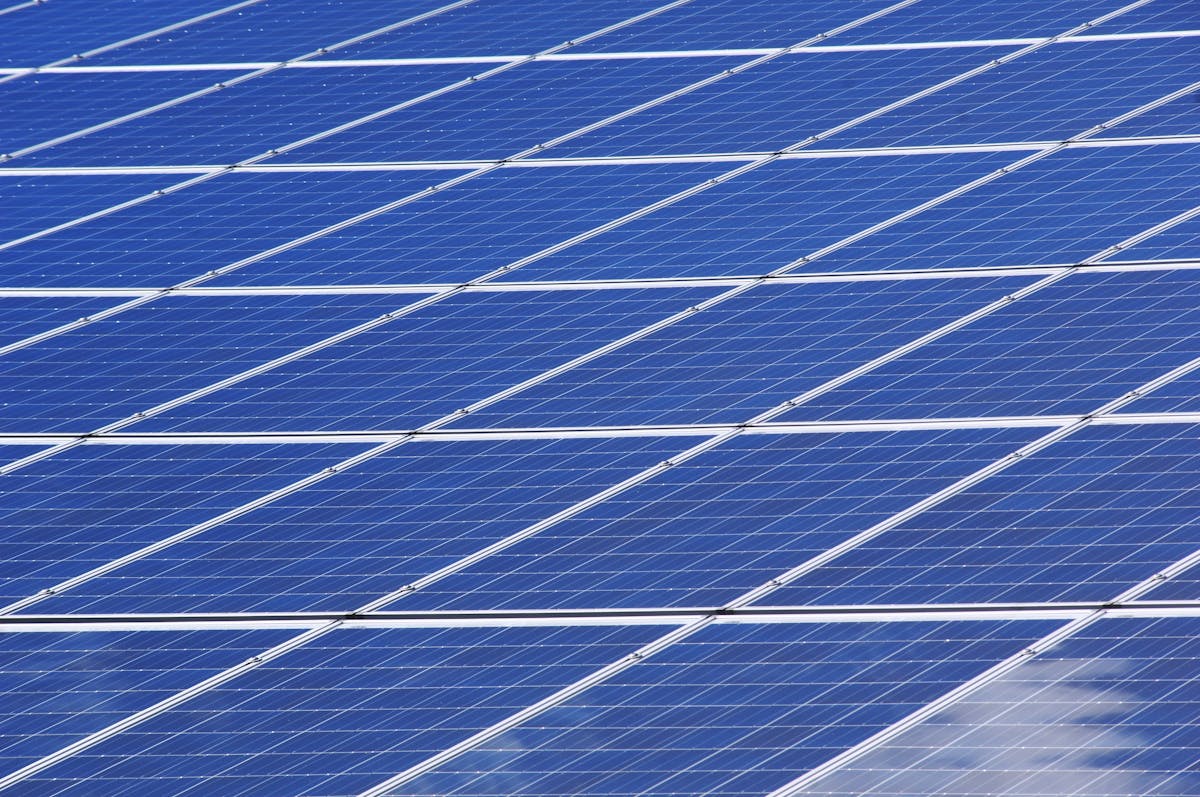
Flat plate collectors are insulated, weatherproofed boxes containing a dark absorber plate under glass. Water or a heat-transfer fluid flows through tubes attached to the absorber, picking up heat. They’re the most common type in moderate climates.
Evacuated tube collectors use a series of glass tubes, each containing an absorber tube in a vacuum. The vacuum insulation makes them highly efficient even in cold weather, and they perform well in cloudy conditions. They cost more but outperform flat plate collectors in colder climates.
Active systems use pumps to circulate water or heat-transfer fluid through the collectors. They’re more complex but more controllable. In freezing climates, active systems use antifreeze fluid with a heat exchanger to prevent pipe damage.
Passive systems rely on natural convection (hot water rises) to circulate water without pumps. They’re simpler, cheaper, and very reliable but less efficient. The classic “thermosiphon” system with a tank above the collector is a common passive design.
How Much Can Solar Water Heating Save?
Water heating accounts for about 18–20% of the average home’s energy use. A well-designed solar water heating system can provide 50–80% of a household’s hot water needs, reducing water heating costs by $200–$500 per year.
Cost and Payback
A solar water heating system typically costs $3,000–$7,000 installed. The federal solar tax credit (30%) applies to solar water heaters, reducing the effective cost to $2,100–$4,900. Payback periods range from 5–10 years, after which the system provides essentially free hot water.
Solar Water Heating vs PV + Heat Pump
An increasingly popular alternative is using a photovoltaic system paired with a heat pump water heater. Heat pump water heaters are extremely efficient (2–3x more efficient than standard electric heaters), and when powered by PV solar electricity, they can match or exceed the performance of dedicated solar thermal systems.
The PV + heat pump approach is often more versatile because the PV panels generate electricity for all purposes (not just water heating), and heat pump water heaters work year-round regardless of solar thermal collector conditions.
Is Solar Water Heating Right for You?
Solar water heating is a proven, mature technology that can significantly reduce your water heating costs. It’s particularly attractive if you have high hot water usage, expensive electricity or gas, a sunny roof location suitable for collectors, or you want to reduce your carbon footprint with proven technology. Consider both solar thermal and the PV + heat pump alternative, and choose the option that best fits your situation and budget.