
Can you install solar panels yourself and save money? For handy homeowners with electrical knowledge, DIY solar is absolutely possible. You can save 40–60% on installation costs by doing the work yourself. But it’s not for everyone, and the risks and requirements deserve careful consideration.
What Does DIY Solar Save?

Labor typically accounts for 15–25% of a professional solar installation cost, and installer margin adds another 15–30%. By buying equipment directly and installing yourself, a $20,000 professional installation might cost you $8,000–$12,000 in materials.
DIY solar kit suppliers like Signature Solar, Unbound Solar, and SanTan Solar provide complete kits with panels, inverters, racking, and wiring at significantly lower prices than turnkey installations.
Skills You Need
Electrical knowledge: This is non-negotiable. You’ll be working with high-voltage DC and AC circuits. Understanding electrical codes, wire sizing, grounding, and circuit protection is essential for safety and code compliance.
Roofing skills: You need to mount racking on your roof without causing leaks. This means properly locating rafters, drilling pilot holes, installing flashing, and sealing penetrations.
Physical fitness: Solar panels weigh 40–55 pounds each and need to be carried onto the roof and positioned. You’ll be working at height in the sun for extended periods.
The DIY Solar Process
Design your system: Calculate your energy needs, determine panel layout, choose components, and ensure electrical compatibility. Online tools and kit providers can help with design.
Pull permits: Most jurisdictions require electrical and building permits for solar installations. Some allow homeowners to pull their own permits; others require a licensed electrician.
Install racking: Mount rails to your roof structure. This is the most critical step for preventing leaks — take your time and use proper flashing at every penetration.
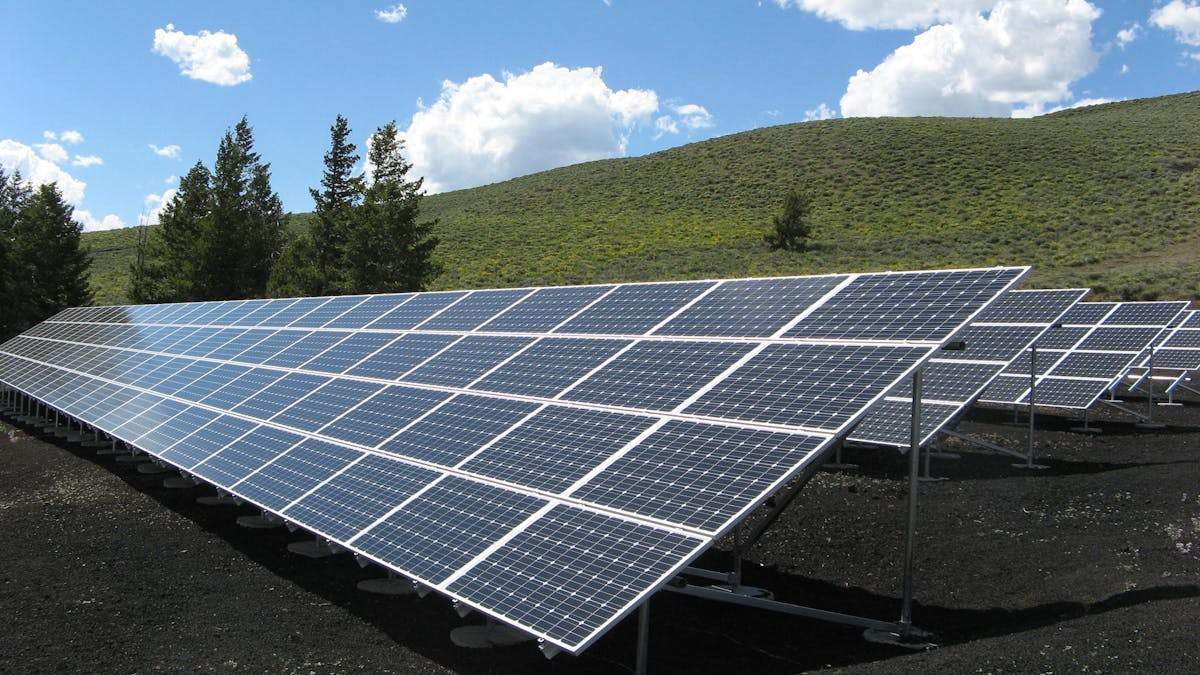
Mount panels: Secure panels to the racking with provided clamps. Connect panels in series or parallel according to your design.
Install inverter and electrical: Mount the inverter, run wiring from panels to inverter, and connect to your electrical panel. Many jurisdictions require this final connection to be done by a licensed electrician.
Inspection: Schedule building and electrical inspections. The inspector will verify your installation meets code.
Utility interconnection: Apply for net metering and permission to operate.
When DIY Doesn’t Make Sense
Don’t DIY if you’re uncomfortable working on a roof or with electrical systems. If your roof is steep, complex, or in poor condition, hire professionals. If your jurisdiction requires licensed contractors for solar permits, DIY may not be an option. And remember — a faulty installation can cause fires, void your roof warranty, or damage equipment.
The Hybrid Approach
Many DIY solar enthusiasts take a hybrid approach: install the racking and panels themselves, then hire a licensed electrician for the final electrical connections and inspection. This saves most of the labor cost while ensuring the critical electrical work is done safely and to code.