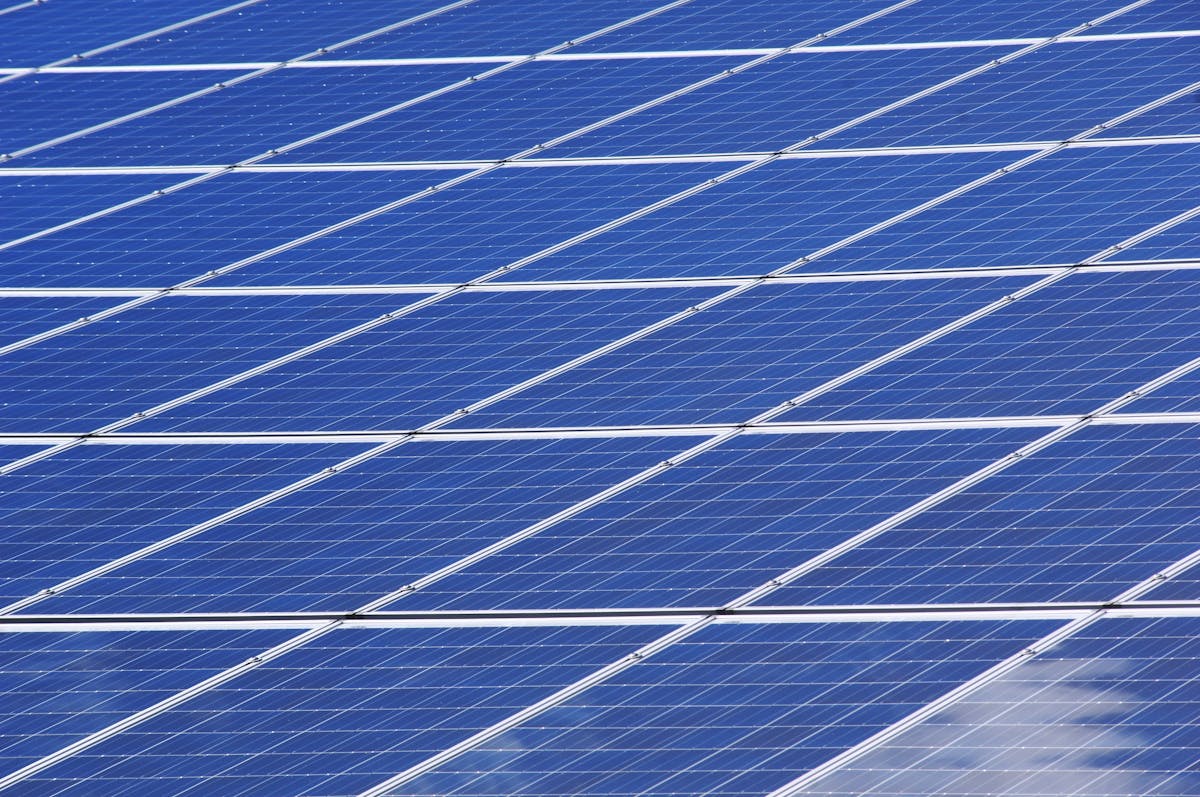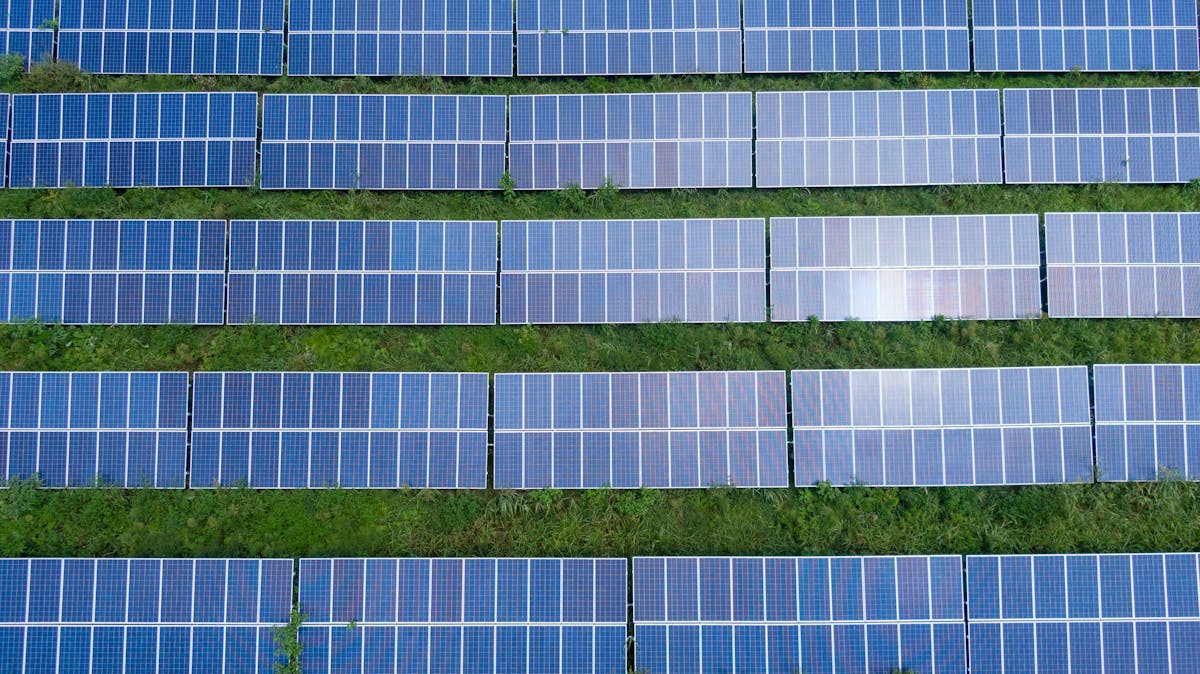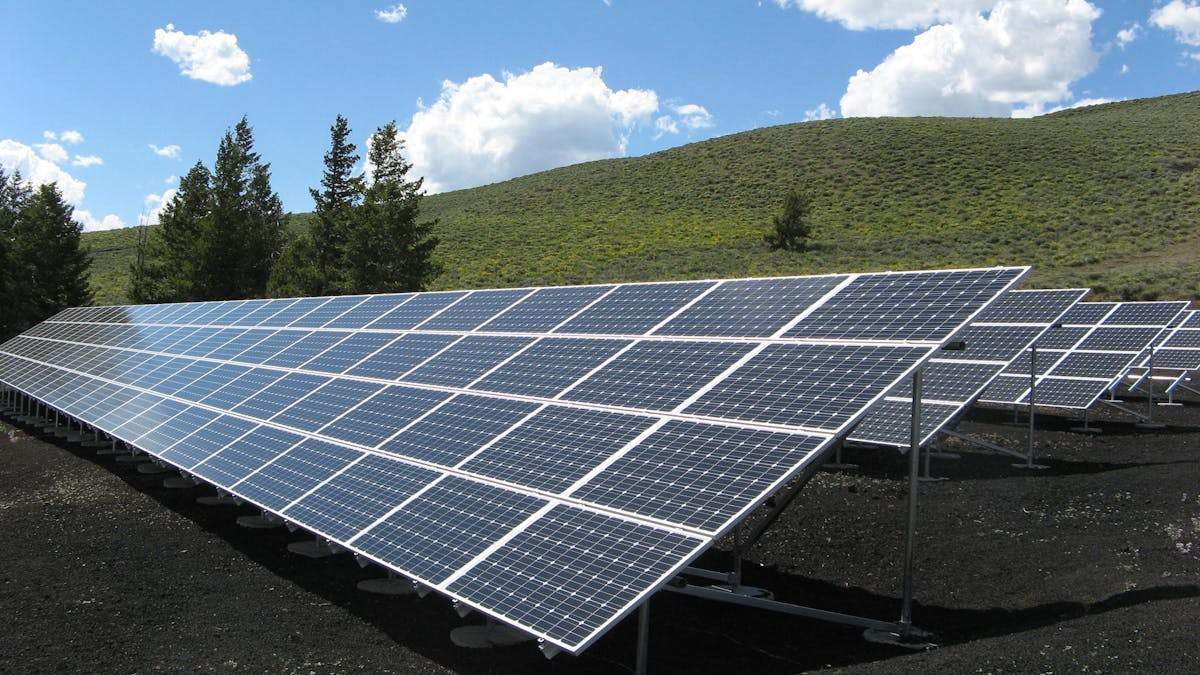

Living off the grid with solar power is no longer a fringe lifestyle — it’s an increasingly practical choice for cabins, remote homes, RVs, and anyone seeking energy independence. But off-grid solar requires careful planning because there’s no utility backup when the sun isn’t shining.
Off-Grid vs Grid-Tied Solar
A grid-tied system uses the utility grid as a backup and “battery” through net metering. An off-grid system has zero connection to the utility — you must produce and store all the electricity you need. This means off-grid systems require significantly more battery storage and careful energy management.
Components of an Off-Grid Solar System
Solar panels: Sized to generate 120–130% of your daily energy needs to account for cloudy days, seasonal variation, and charging inefficiencies.
Battery bank: The heart of an off-grid system. Lithium iron phosphate (LiFePO4) batteries are the modern standard, offering 5,000+ cycles, 10+ year lifespans, and safe, maintenance-free operation. Lead-acid batteries are cheaper upfront but require maintenance and last only 3–7 years.
Charge controller: Regulates the flow of electricity from panels to batteries, preventing overcharging. MPPT (Maximum Power Point Tracking) controllers are more efficient than PWM types, extracting 15–30% more energy from your panels.
Inverter/charger: Converts battery DC to household AC. Off-grid inverters also manage battery charging from solar and optionally from a backup generator. Popular options include Victron MultiPlus, Sol-Ark, and Outback Power.
Backup generator: Most off-grid systems include a gas or propane generator for extended cloudy periods or high-demand situations. A good generator provides insurance against worst-case scenarios.
Sizing Your Off-Grid System
Start by calculating your daily energy consumption in watt-hours. List every appliance and device, its wattage, and hours of daily use. A modest off-grid home might use 5–10 kWh/day. A fully equipped home could need 15–30 kWh/day.
For battery sizing, plan for 2–3 days of autonomy (the ability to run without sun). A 10 kWh/day home needs 20–30 kWh of usable battery capacity. For LiFePO4 batteries with 80% depth of discharge, that means 25–37 kWh of rated capacity.
For solar panel sizing, account for your location’s average peak sun hours. Divide your daily energy need by peak sun hours, then add 30% for system losses. A 10 kWh/day home in a location with 5 peak sun hours needs about 2.6 kW of panels.
Off-Grid Lifestyle Adjustments
Living off-grid means being conscious of your energy use. Use energy-efficient appliances — LED lighting, efficient refrigerators, and propane for heating and cooking. Run heavy loads (laundry, power tools) during peak sun hours. Monitor your battery state of charge and adjust usage accordingly.
Cost of Off-Grid Solar
A basic off-grid cabin system (1–2 kW panels, 5 kWh battery) costs $5,000–$10,000. A full off-grid home system (5–10 kW panels, 20–40 kWh battery) costs $25,000–$60,000. While more expensive than grid-tied systems, off-grid solar eliminates monthly utility bills forever and is often cheaper than extending utility lines to remote locations.