
Traditional solar panels only capture sunlight on their front surface. But what if panels could harvest energy from both sides? That’s exactly what bifacial solar panels do — and they’re rapidly gaining market share in both commercial and residential applications.
How Bifacial Panels Work

Bifacial panels have solar cells on both the front and back. The front captures direct sunlight as usual. The back captures reflected light (albedo) bouncing off the ground, roofing material, or other surfaces below the panel.
Instead of an opaque backsheet, bifacial panels use transparent glass or a transparent backsheet on the rear side, allowing light to reach the back-side cells. The result is more total energy production from the same footprint.
How Much Extra Energy Do They Produce?
Bifacial panels typically produce 5–30% more energy than equivalent monofacial panels, depending on the installation conditions. The biggest factors affecting bifacial gain are:
Ground reflectivity (albedo): Light-colored surfaces like white gravel, sand, or snow reflect more light to the back of the panel. A white roof or light-colored ground can yield 15–30% bifacial gain. Dark surfaces like grass or asphalt yield 5–10%.
Mounting height: Higher mounting allows more reflected light to reach the back. Ground-mounted systems with elevated racking get more bifacial benefit than roof-mounted panels sitting close to the surface.
Tilt angle: Steeper tilt angles increase back-side exposure to ground-reflected light.
Best Applications for Bifacial Panels
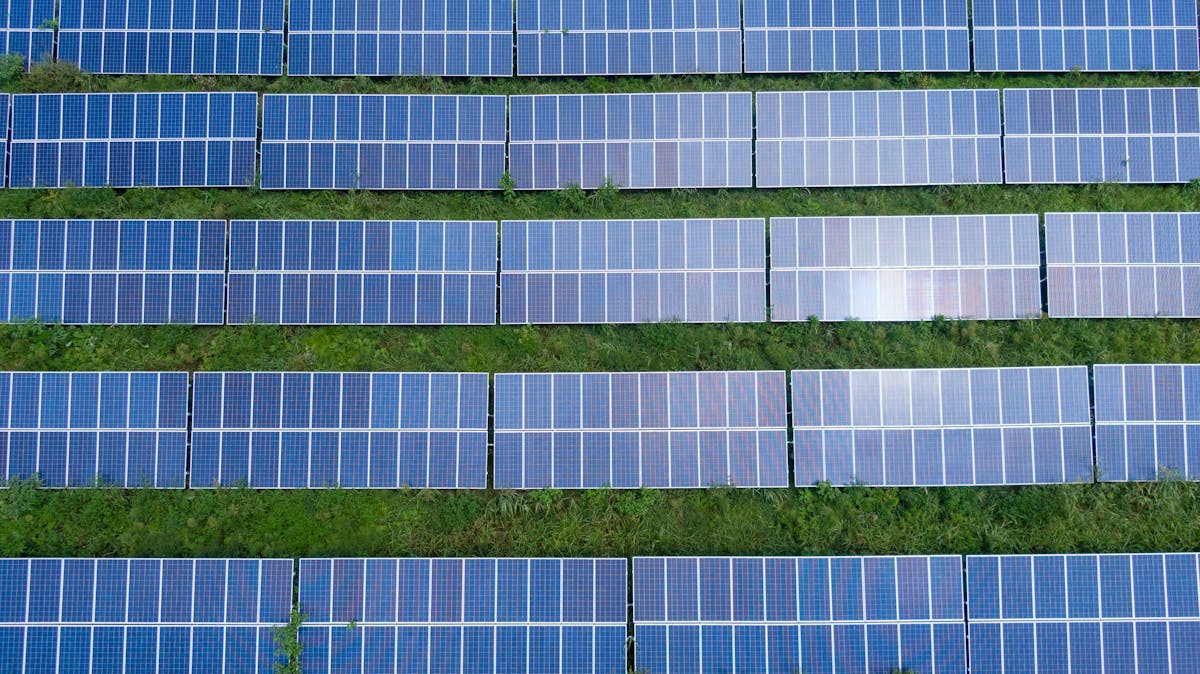
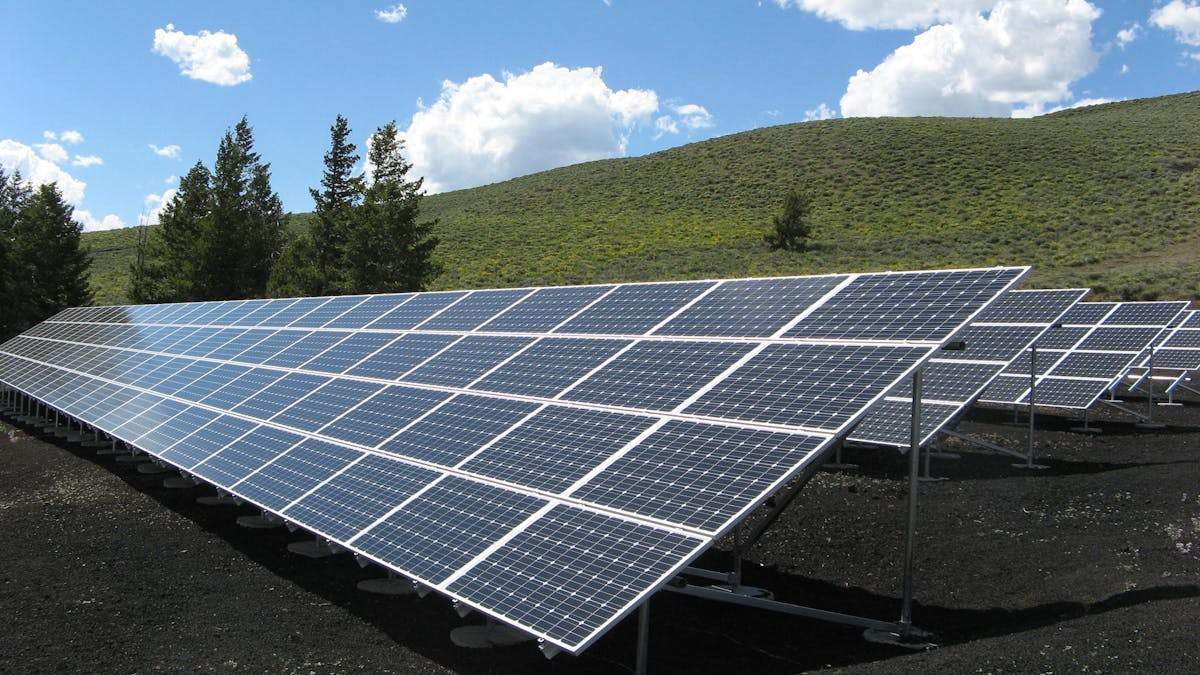
Ground-mounted solar farms: This is where bifacial panels shine brightest (pun intended). Elevated mounting over reflective ground surfaces maximizes back-side production. Many utility-scale projects now default to bifacial panels.
Commercial flat roofs: White TPO or EPDM roofing provides excellent reflectivity. Elevated tilted racking on flat roofs is an ideal bifacial application.
Carports and pergolas: Elevated mounting with light-colored pavement below creates excellent bifacial conditions.
Snow regions: Fresh snow is one of the most reflective surfaces, providing exceptional back-side illumination during winter months.
Bifacial Panels for Residential Use
For standard residential rooftop installations, bifacial panels provide modest gains (5–10%) because panels sit close to the roof surface with limited back-side illumination. However, if you have a light-colored roof or ground-mounted system, the extra production can be worthwhile.
Cost Considerations
Bifacial panels cost 5–15% more than comparable monofacial panels. Whether the extra cost is justified depends on your installation conditions. In ideal setups (elevated mounting, reflective surface), bifacial panels offer excellent value. For flush-mounted residential rooftop systems, the premium may not pay back.
The Future Is Bifacial
The solar industry is rapidly shifting toward bifacial technology. Over 40% of new solar panels shipped globally in 2025 were bifacial, and that percentage is growing. As manufacturing scales up, the price premium over monofacial panels continues to shrink, making bifacial the default choice for an increasing number of installations.