
You don’t own your home, but you still want to benefit from solar energy. Can renters go solar? Absolutely — though it looks different than a traditional rooftop installation. Several options are available that let you tap into clean energy without owning a roof.
Community Solar Programs
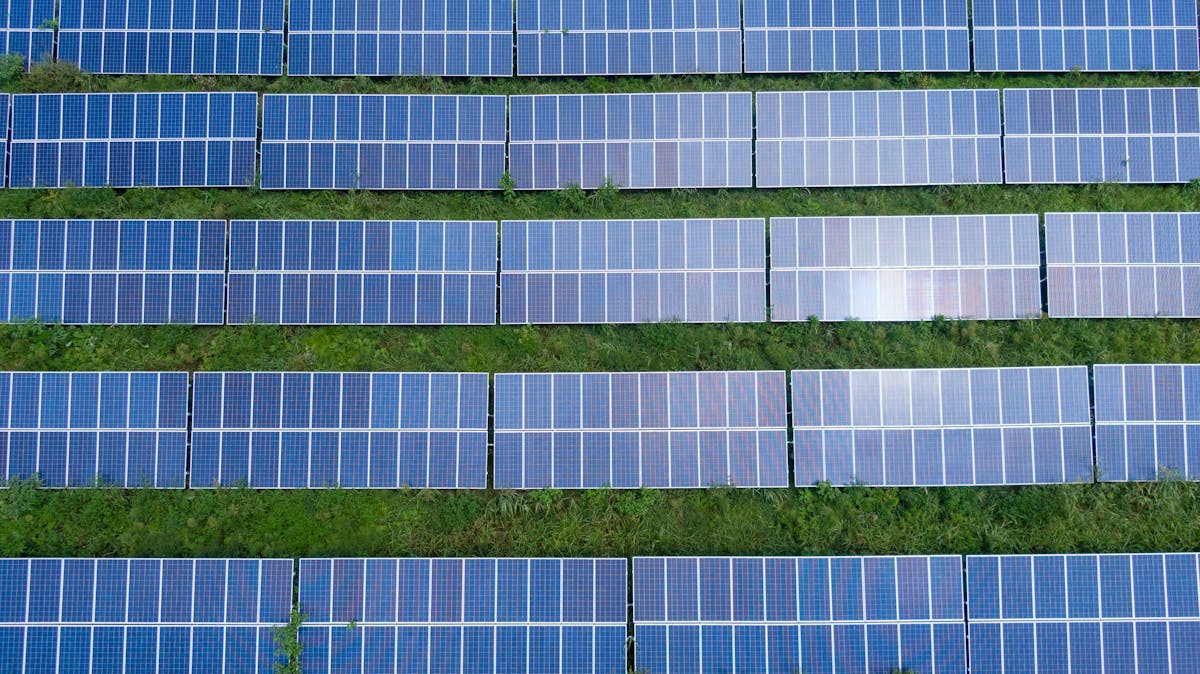
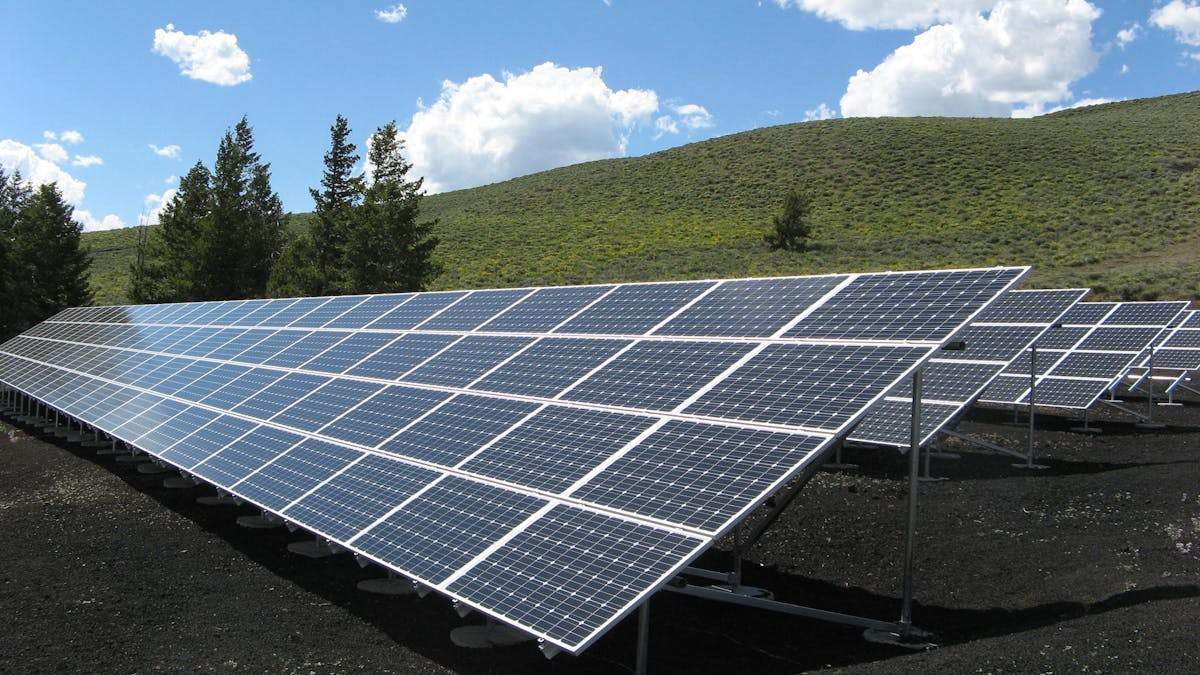
Community solar (also called “shared solar” or “solar gardens”) is the most popular option for renters. You subscribe to a portion of a large solar farm located somewhere in your utility’s service area. The electricity generated by your share is credited to your utility bill.
You typically save 5–15% on your electricity bill with no upfront cost, no installation, and no equipment to maintain. You can cancel or transfer your subscription if you move. Community solar is available in over 40 states and is expanding rapidly.
Portable Solar Panels
If you have a balcony, patio, or south-facing window, portable solar panels can generate meaningful electricity. Plug-in solar systems (sometimes called “balcony solar” or “guerrilla solar”) are small panels that plug directly into an outlet through a microinverter.
A typical balcony solar setup with two 400W panels can generate 40–60 kWh per month, saving $5–$15 per month depending on your electricity rate. It won’t eliminate your bill, but it reduces your consumption and carbon footprint.
Check your lease and local regulations before installing — some landlords and HOAs have restrictions on exterior modifications.
Green Energy Programs
Many utilities offer green energy or renewable energy programs that let you pay a small premium to source your electricity from renewable sources, including solar. While you’re not directly generating solar power, you’re supporting solar development and reducing your carbon footprint.
Convincing Your Landlord
Some renters have successfully convinced their landlords to install solar on the property. The pitch is straightforward: solar increases property value, reduces vacancy (tenants prefer green buildings), and can qualify for significant tax incentives. Some arrangements split the savings between landlord and tenants.
Come prepared with quotes from installers, information about available incentives, and examples of similar properties that have gone solar.
Solar RECs (Renewable Energy Certificates)
You can also purchase Solar Renewable Energy Certificates (SRECs) to offset your electricity consumption with solar energy. Each SREC represents 1 MWh of solar electricity generated somewhere. While this doesn’t reduce your electric bill, it supports solar development and lets you claim a lower carbon footprint.
Looking Ahead
The solar industry is increasingly recognizing that renters are a massive underserved market. Community solar is growing fast, building-integrated solar (solar windows, solar facades) is emerging, and policies supporting renter access to solar are expanding.
Being a renter doesn’t mean you’re excluded from the solar revolution. Explore the options available in your area — you might be surprised how accessible solar energy has become.