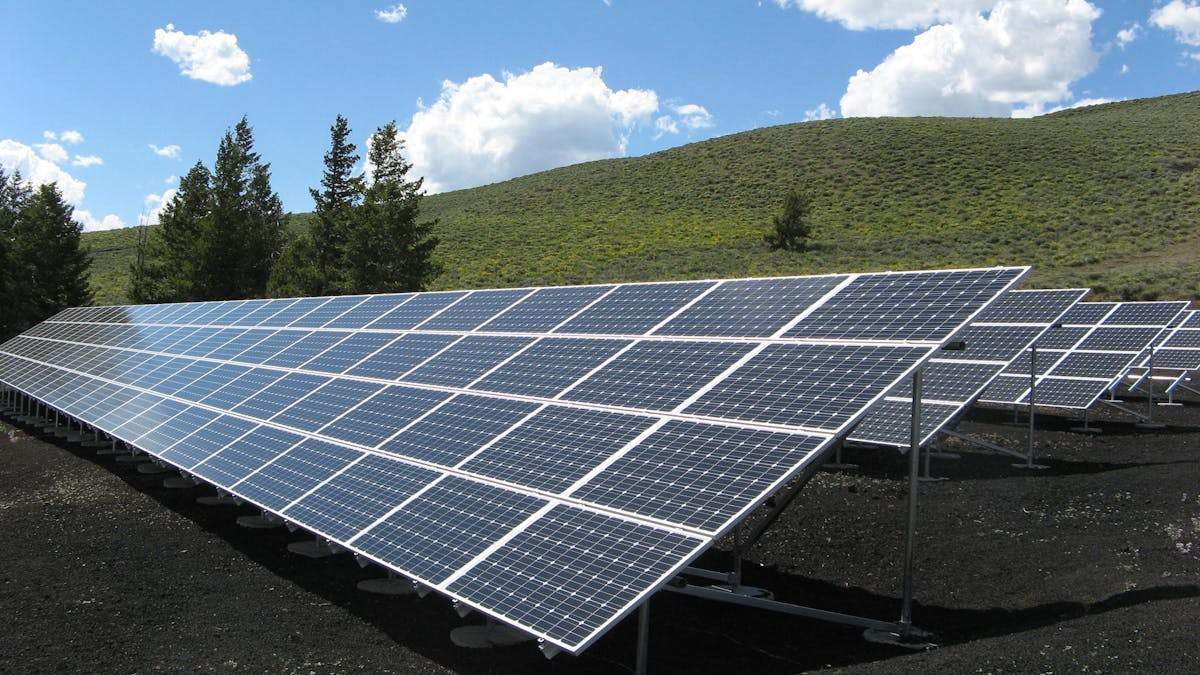

One of solar energy’s biggest selling points is low maintenance. Unlike a furnace, car, or swimming pool, solar panels require remarkably little upkeep. But “low maintenance” doesn’t mean “no maintenance.” A small amount of attention ensures your system performs at its best for decades.
Do Solar Panels Need Cleaning?

In most cases, rain does an adequate job of keeping panels clean. However, certain conditions warrant manual cleaning:
Dusty or arid climates: Without regular rain, dust accumulation can reduce output by 5–15%. In places like Arizona or West Texas, periodic cleaning noticeably improves performance.
Pollen season: Heavy pollen can coat panels with a yellow film that blocks sunlight.
Bird droppings: These concentrated deposits can significantly shade individual cells and should be removed.
Snow: Light snow usually slides off on its own, especially on tilted panels. Heavy snow may need gentle removal, but never use sharp tools or hot water.
How to Clean Solar Panels Safely
If cleaning is needed, keep it simple: use a garden hose with a gentle spray nozzle. For stubborn grime, a soft brush with an extension handle and plain water works well. Clean early in the morning or late in the evening when panels are cool — spraying cold water on hot panels can cause thermal stress.
Avoid pressure washers, abrasive cleaners, and harsh chemicals. These can damage the anti-reflective coating or scratch the glass surface.
If your panels are on a steep or high roof, hire a professional cleaning service rather than risking a fall.
Monitoring Your System
Your monitoring system is your best maintenance tool. Check your production data regularly — most apps make this easy with daily, weekly, and monthly views. Sudden drops in production can indicate panel issues, inverter problems, new shading from tree growth, or wiring faults.
Compare your actual production to your system’s expected output for the time of year. A 10–15% variation is normal due to weather. A consistent 20%+ underperformance warrants investigation.
Annual Inspection Checklist
Once or twice a year, do a visual inspection from the ground (use binoculars if needed):
Look for cracked or discolored panels. Check that no panels have shifted or come loose. Verify that wiring is intact and not chewed by squirrels. Check for new shading from growing trees. Inspect the area around your inverter for any warning lights or error messages. Make sure vegetation isn’t encroaching on ground-mounted systems.
Professional Maintenance
Consider having a professional inspection every 3–5 years. A solar technician can check electrical connections, test individual panel performance, inspect the mounting hardware, and verify your inverter is operating optimally. This costs $150–$300 but can catch small issues before they become expensive problems.
Inverter Maintenance
String inverters typically last 10–15 years and will likely need replacement once during your system’s lifetime. Budget $1,000–$2,500 for this eventual replacement. Microinverters generally last longer (20–25 years) and can be replaced individually if one fails.
The Annual Cost of Solar Maintenance
For most homeowners, annual maintenance costs are minimal — perhaps $0 to $200 per year including occasional cleaning. Compare that to the thousands you’re saving on electricity, and it’s clear that solar maintenance is a trivially small expense relative to the benefits.