
Choosing the right solar installer is just as important as choosing the right panels. A great installer ensures your system is designed optimally, installed safely, and backed by reliable warranties. A bad installer can leave you with underperformance, roof damage, or headaches for years.
What to Look for in a Solar Installer
Licensing and certification: Your installer should hold all required state and local licenses. Look for NABCEP (North American Board of Certified Energy Practitioners) certification — it’s the gold standard in the solar industry.
Experience and track record: How many systems have they installed? How long have they been in business? An established company with hundreds or thousands of installations is less risky than a newcomer.
Reviews and references: Check Google reviews, Yelp, BBB ratings, and solar-specific platforms like EnergySage. Ask the installer for references from recent customers, and actually call them.
Workmanship warranty: Beyond the manufacturer warranties on panels and inverters, your installer should guarantee their installation work for at least 10 years, covering things like roof penetrations and electrical connections.
Red Flags to Watch For
High-pressure sales tactics: “This price is only available today” is a classic warning sign. Reputable companies give you time to decide.
No site visit before quoting: Any installer who provides a final price without visiting your property or doing a thorough remote assessment (satellite imagery plus shade analysis) is cutting corners.
Unusually low prices: If a quote is significantly cheaper than competitors, ask why. They may be using inferior equipment, cutting corners on installation quality, or planning to subcontract to less experienced crews.
No written contract or vague terms: Everything should be spelled out in writing — equipment specifications, timeline, warranty terms, payment schedule, and what happens if there are problems.
How Many Quotes Should You Get?
Get at least three quotes from different installers. This helps you understand the market rate, compare equipment options, and evaluate different approaches to your specific installation. Platforms like EnergySage make it easy to get multiple competitive quotes.
National vs Local Installers
National companies like Sunrun, SunPower, and Tesla offer brand recognition and standardized processes. Local installers often provide more personalized service, competitive pricing, and deeper knowledge of local permitting requirements.
Both can be excellent choices. The key is doing your due diligence regardless of company size.
Questions to Ask Your Installer
What equipment brands do you offer, and why? Who handles permitting and utility interconnection? Will your own crews do the installation or subcontractors? What is your warranty and what does it cover? How long will the installation process take from contract to power-on? What monitoring system do you provide?
The Installation Process
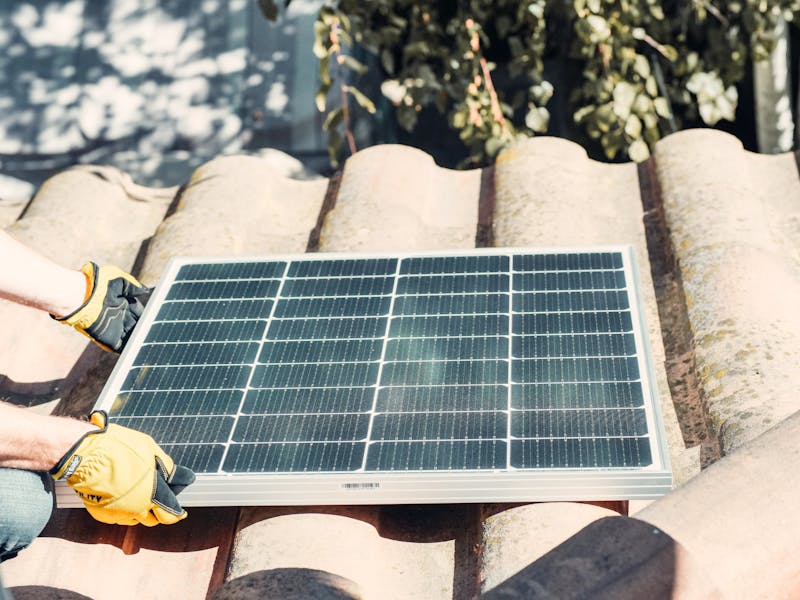
A typical residential installation takes 1–3 days of actual roof work. However, the entire process from contract signing to system activation usually takes 2–3 months, with most of that time spent on permitting, utility approval, and scheduling.
A good installer manages this entire process for you, keeping you informed at every step.