
Solar energy has gone mainstream, but misconceptions still persist. Some of these myths discourage people from exploring solar, while others create unrealistic expectations. Let’s separate fact from fiction.
Myth 1: Solar Panels Don’t Work in Cloudy or Cold Climates
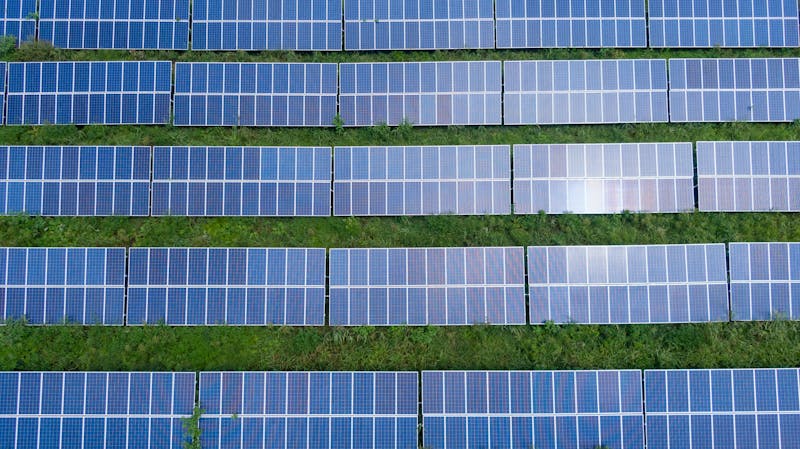
Reality: Solar panels work in all climates. Germany, one of the cloudiest countries in Europe, has been a global leader in solar energy for years. Panels produce less on overcast days — typically 10–25% of their peak output — but they absolutely still generate electricity.
Cold weather can actually improve panel efficiency. Solar cells are electronic devices that perform better in cooler temperatures. A crisp, sunny winter day can produce more electricity than a hot summer afternoon.
Myth 2: Solar Panels Require Constant Maintenance
Reality: Solar panels are among the lowest-maintenance home improvements you can make. They have no moving parts, require no fuel, and are designed to withstand decades of weather exposure. Occasional rain is usually enough to keep them clean. A visual inspection once or twice a year is all most systems need.
Myth 3: Solar Panels Damage Your Roof
Reality: When properly installed by certified professionals, solar panels actually protect the portion of roof they cover from weather and UV degradation. The mounting system is engineered to maintain your roof’s waterproof integrity.
Reputable installers warranty their workmanship and will address any issues. In fact, many roofing companies now offer combined roof and solar installation services.
Myth 4: Solar Energy Is Too Expensive
Reality: The cost of solar has plummeted by over 70% in the last decade. With federal tax credits, state incentives, and financing options, solar is now cheaper than grid electricity in most of the United States. The average homeowner saves $20,000–$40,000 over the life of their system.
Even if you can’t afford to buy outright, solar leases and power purchase agreements (PPAs) let you go solar with zero upfront cost.
Myth 5: Solar Panels Are Bad for the Environment to Manufacture
Reality: Solar panels do require energy to manufacture, but they pay back that energy “debt” within 1–3 years of operation. After that, they produce clean energy for another 25+ years. The lifecycle carbon footprint of solar is roughly 20 times lower than coal and 10 times lower than natural gas.
Solar panel recycling is also improving rapidly, with companies developing processes to recover over 95% of panel materials.
Myth 6: You Need a Battery to Go Solar
Reality: Most residential solar systems are grid-tied and don’t use batteries at all. When your panels produce more electricity than you need, the excess flows back to the grid, and you receive credits on your electric bill (net metering). At night or on cloudy days, you draw from the grid as usual.
Batteries are optional — useful for backup power during outages or for maximizing self-consumption, but not required to benefit from solar.
Myth 7: Solar Technology Is Going to Get Much Better, So I Should Wait
Reality: This is the “I’ll buy next year’s model” trap. Solar technology improves incrementally, not in dramatic leaps. Every year you wait is a year of electricity bills you could have avoided. The financial incentives available today — including the federal tax credit — may not last forever.
The best time to go solar was five years ago. The second best time is now.
Myth 8: Solar Panels Will Make It Harder to Sell Your Home
Reality: Studies consistently show that homes with owned solar panel systems sell faster and for more money. A study by Zillow found that homes with solar panels sold for an average of 4.1% more than comparable homes without solar. That’s an average of $9,000+ in added value.
The Truth About Solar
Solar energy is a proven, affordable, and practical technology that works in virtually every climate and situation. Don’t let outdated myths prevent you from exploring whether solar is right for your home. Get quotes from multiple installers, do your research, and make a decision based on facts — not fiction.