
When shopping for solar panels, one number comes up again and again: efficiency. But what does solar panel efficiency actually mean, and how much does it really matter for your home installation?
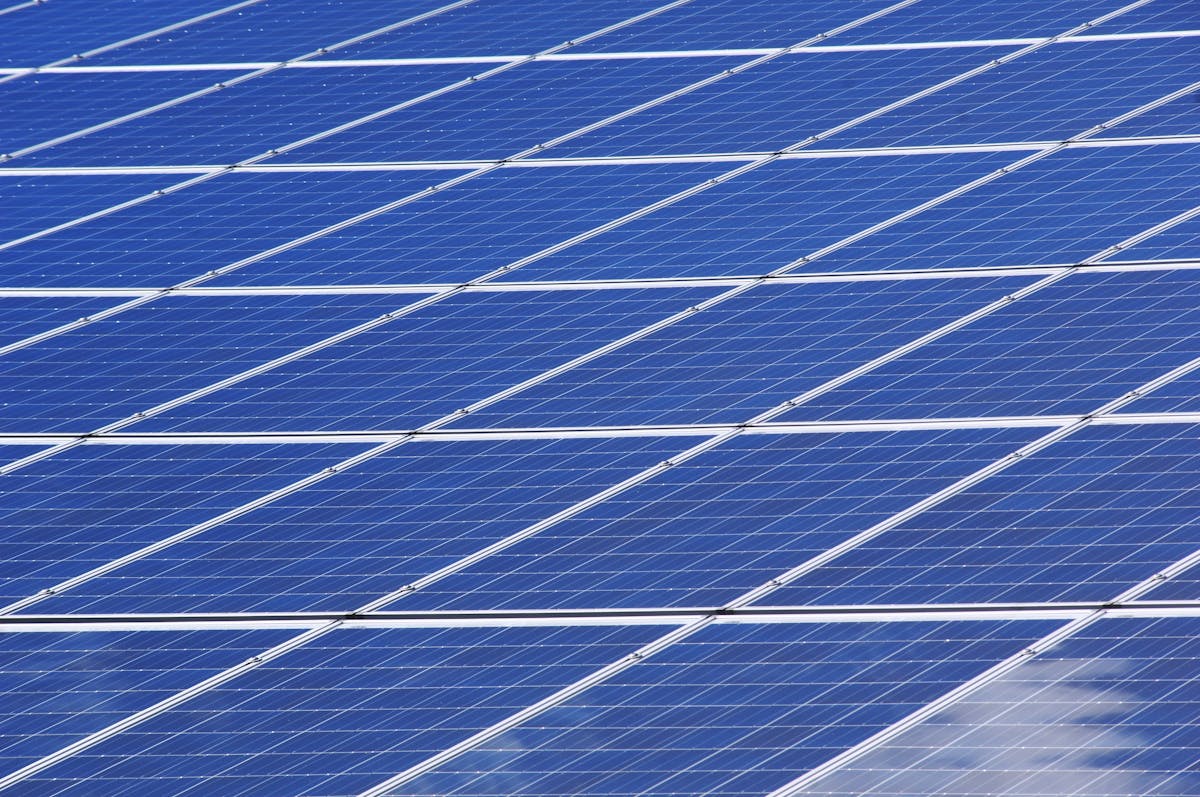
Solar panel efficiency refers to the percentage of sunlight hitting the panel that gets converted into usable electricity. A panel rated at 20% efficiency converts one-fifth of the solar energy it receives into electrical power.
What Determines Solar Panel Efficiency?
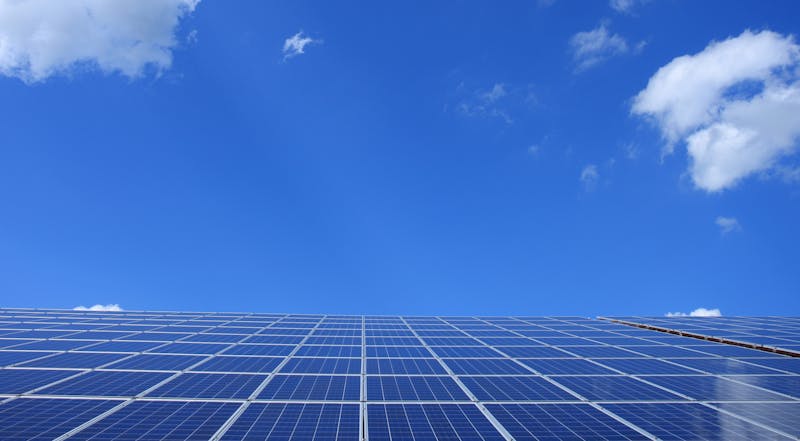
Cell technology is the biggest factor. Monocrystalline silicon cells are the most efficient commercially available option, typically ranging from 20% to 25%. Research cells in laboratories have achieved over 47% efficiency, but these aren’t yet commercially viable.
Temperature plays a surprisingly large role. Solar panels actually perform worse in extreme heat. Most panels lose about 0.3–0.5% efficiency for every degree Celsius above 25°C (77°F). This is why panels in Arizona might produce less per panel than panels in cooler, sunny locations.
Shading can dramatically reduce output. Even partial shading on one cell can reduce the output of an entire string of cells. Modern panels with half-cut cells and bypass diodes handle shading much better than older designs.
Panel age matters too. Solar panels degrade slowly over time, typically losing 0.5–0.8% of their output per year. After 25 years, a quality panel should still produce at least 80% of its original output.
Most Efficient Solar Panels in 2026
The most efficient residential solar panels currently available include models from SunPower (up to 22.8%), REC (up to 22.6%), and Panasonic (up to 22.2%). These premium panels command higher prices but deliver more power per square foot.
However, the most efficient panel isn’t always the best value. A panel with 19% efficiency that costs 30% less might be the smarter financial choice, especially if you have plenty of roof space.
Does Higher Efficiency Always Mean Better?
Not necessarily. Higher efficiency matters most when roof space is limited. If you have a small roof and high energy needs, premium high-efficiency panels let you maximize your power production in a limited area.
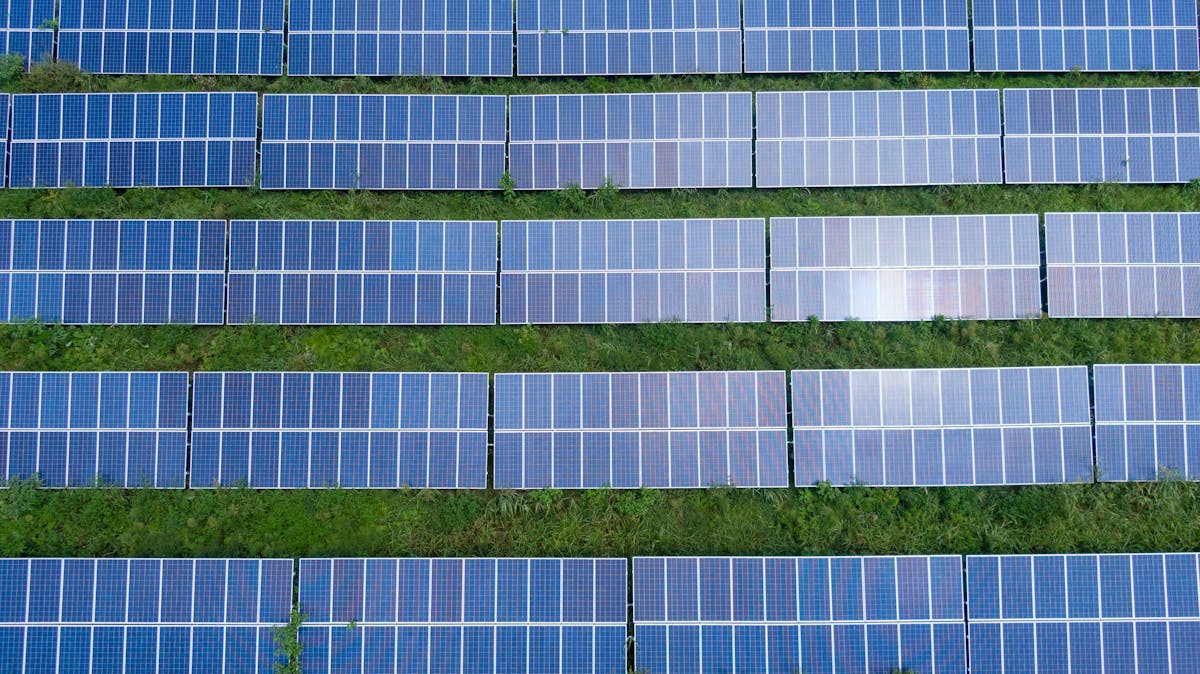
If you have a large, unshaded roof, mid-range efficiency panels (18–20%) often provide the best return on investment because you can simply install more of them at a lower total cost.
How to Maximize Your System’s Efficiency
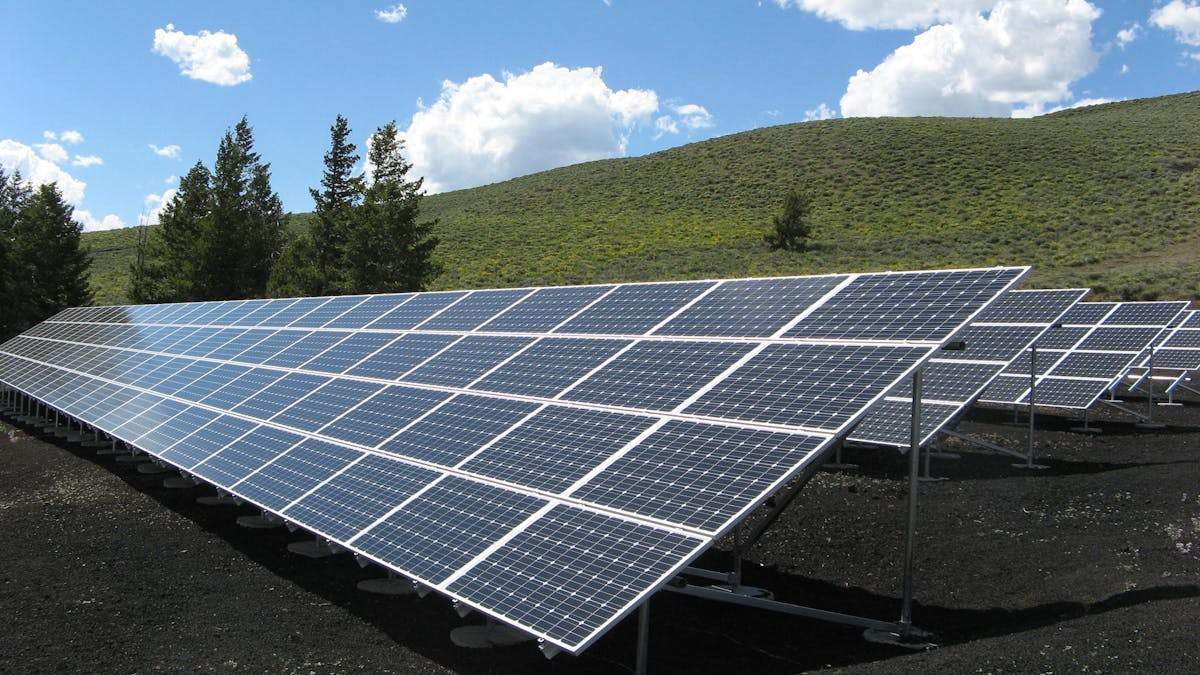
Optimal orientation: In the Northern Hemisphere, south-facing panels produce the most energy. A tilt angle roughly equal to your latitude is ideal.
Minimize shading: Trim trees and avoid installing panels near chimneys or vents that cast shadows.
Keep panels clean: Dust, pollen, and bird droppings reduce output. Rain usually handles this, but periodic cleaning helps in dry climates.
Choose the right inverter: Microinverters or power optimizers ensure that one underperforming panel doesn’t drag down the whole system.
Monitor your system: Modern monitoring apps let you track production in real time and catch issues early.
The Efficiency Bottom Line
Solar panel efficiency is important, but it’s just one factor in choosing the right system. Consider your available space, budget, and energy needs together. Even “average” efficiency panels produce excellent returns and will significantly reduce your electricity bills for decades to come.