
For businesses, solar isn’t just an environmental statement — it’s a financial powerhouse. Commercial solar installations offer faster payback periods than residential systems, substantial tax benefits, and predictable energy costs that improve the bottom line.
Why Businesses Are Going Solar

Commercial electricity rates are often higher than residential rates, especially when demand charges are factored in. A commercial solar installation can reduce electricity costs by 50–75%, with payback periods of just 3–7 years. After payback, businesses enjoy decades of nearly free electricity.
Beyond direct savings, solar demonstrates corporate sustainability commitment, which increasingly matters to customers, employees, and investors.
Commercial Solar Tax Benefits
Investment Tax Credit (ITC): Businesses receive the same 30% federal tax credit as residential systems, but with additional bonus credits for domestic content (10%), energy communities (10%), and low-income service areas (up to 20%).
MACRS Depreciation: Commercial solar systems can be depreciated over 5 years using the Modified Accelerated Cost Recovery System. This provides an additional 20–25% tax benefit beyond the ITC. Combined, the ITC and MACRS can offset 50–60% of system costs through tax savings.
Bonus depreciation: Currently allows 80% of the system cost to be deducted in the first year (stepping down 20% per year through 2027).
Types of Commercial Solar Installations
Rooftop systems: Most common for retail, office, and warehouse buildings. Commercial flat roofs are ideal for solar — large, unobstructed spaces with room for ballasted or tilted racking.
Carport/canopy systems: Solar panels mounted on parking lot canopy structures. They generate electricity while providing shaded parking — a highly valued amenity for employees and customers. More expensive than rooftop but adds functional value.
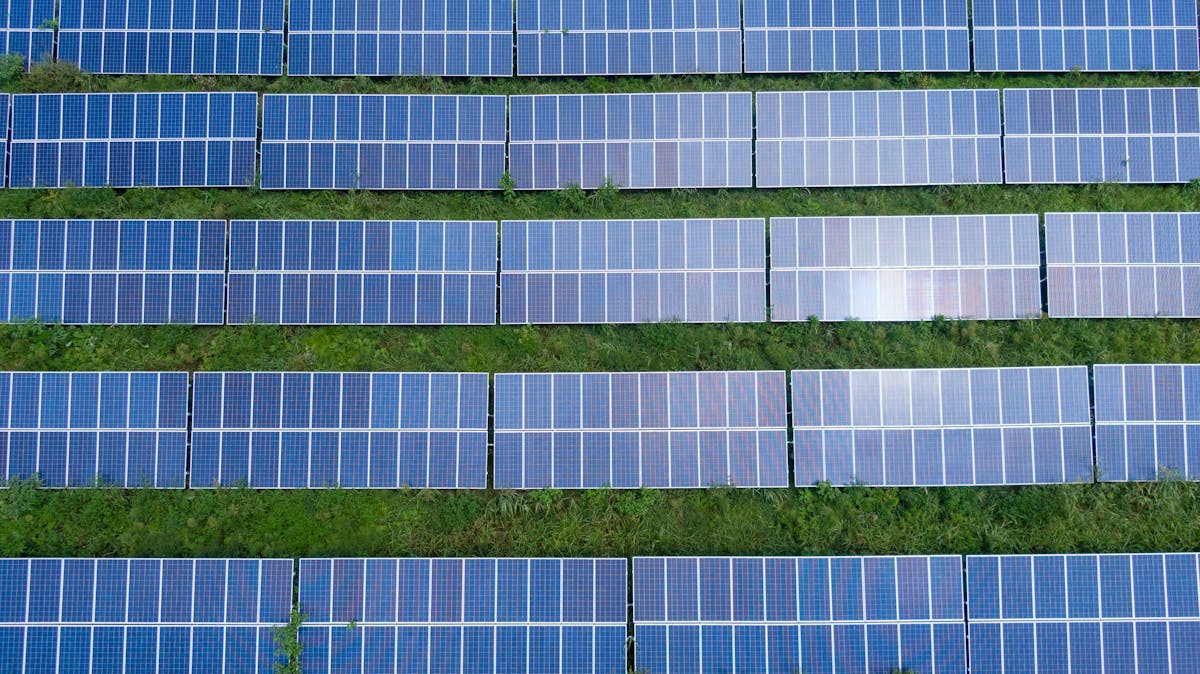
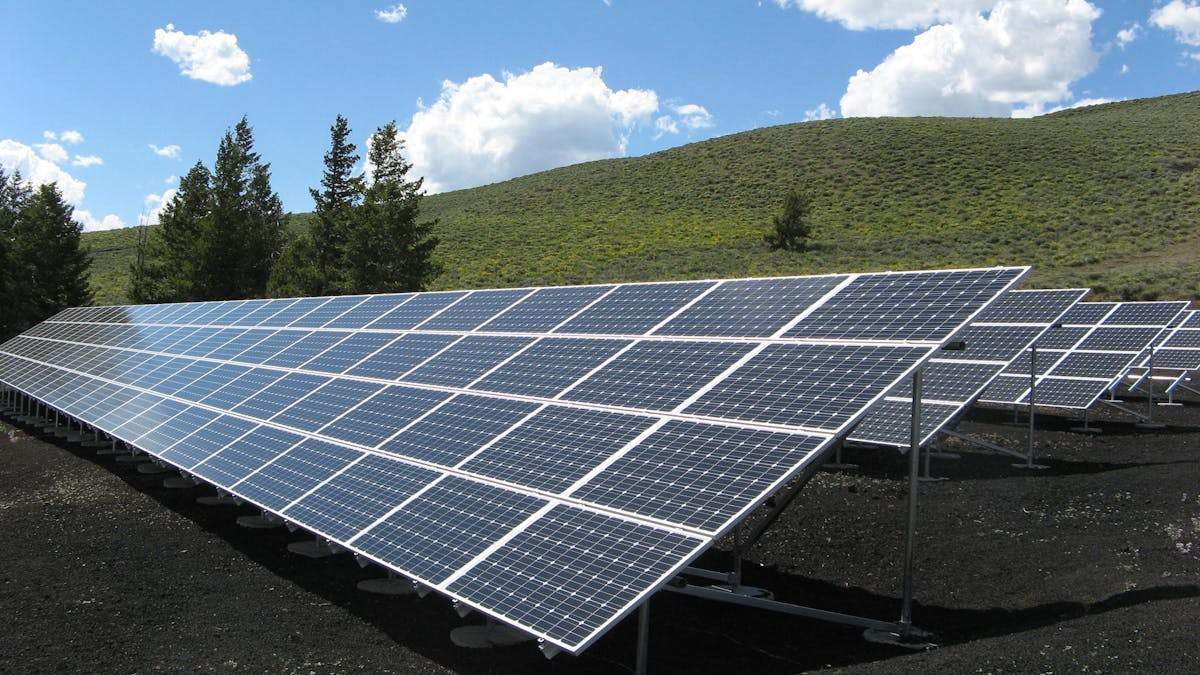
Ground-mounted systems: For businesses with available land. Can be optimally oriented and tilted for maximum production. Common for farms, industrial sites, and large corporate campuses.
Financing Options for Commercial Solar
Cash purchase: Best ROI. Businesses with capital and tax appetite benefit most from direct ownership.
Solar PPA: A third party owns and operates the system. The business buys the electricity at a fixed, discounted rate. No upfront cost and no maintenance responsibility.
Solar lease: Fixed monthly payments for the use of the system. Predictable costs with no upfront investment.
C-PACE financing: Commercial Property Assessed Clean Energy financing. Repaid through property tax assessments with long terms (20–25 years) and favorable rates.
ROI Example
A 200 kW commercial rooftop system costing $300,000 before incentives: after the 30% ITC ($90,000) and 5-year MACRS depreciation (worth approximately $50,000), the effective cost drops to about $160,000. Annual savings of $40,000–$50,000 deliver a payback period of 3–4 years and a 25-year NPV exceeding $500,000.